Politics
The Pacific's True Rogue State
Beijing just launched a nuclear-capable missile into the South Pacific Nuclear-Free Zone and called it routine. It was not.
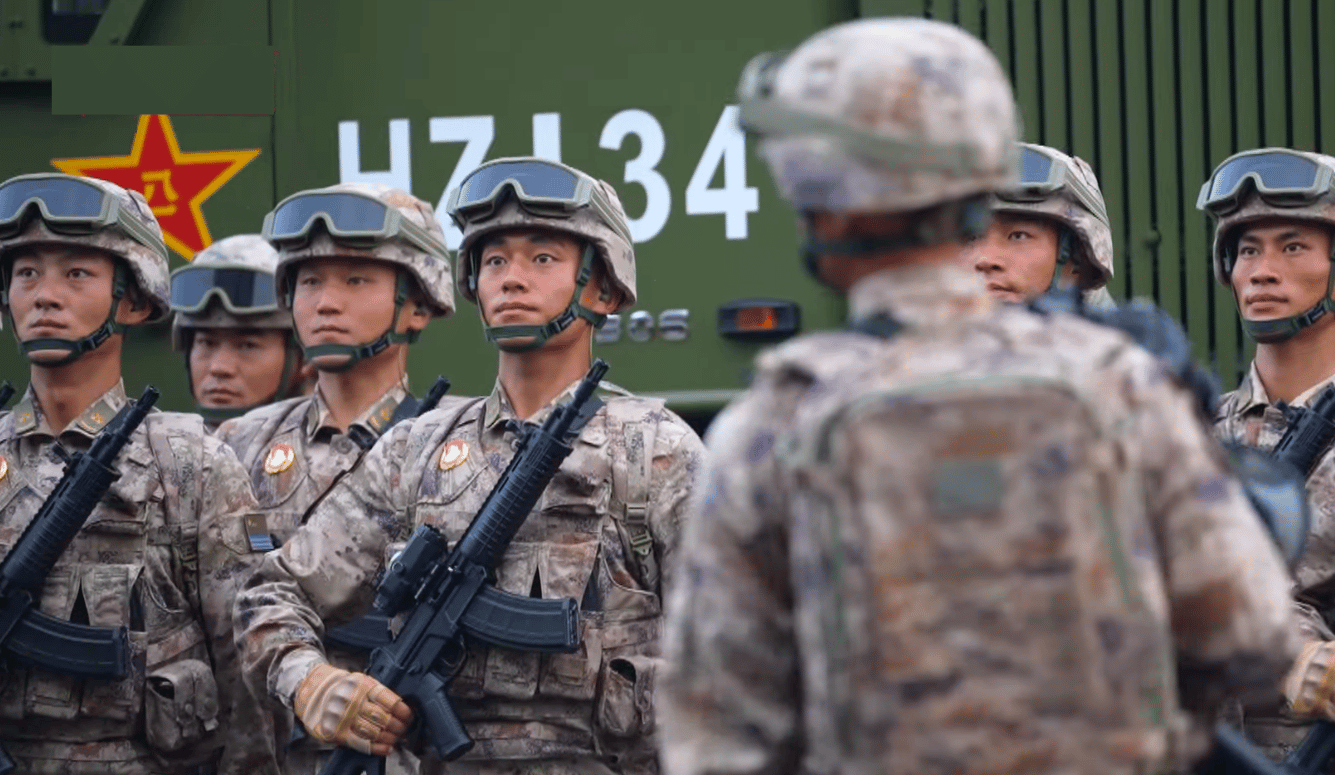

On 6 July, at 12:01pm China Standard Time, the People’s Liberation Army Navy (PLAN) launched a ballistic missile carrying a dummy warhead from a submarine in the South China Sea. The missile (either a JL-2 or the new JL-3) passed over the northern Philippines, arced over the Second Island Chain, and finally made its descent between the islands of Nauru and Tuvalu, in waters close to the latter’s Exclusive Economic Zone (EEZ). “China is just behaving like any other great power,” said Geoff Raby at the Financial Review. But the Chinese Communist Party has never behaved like other great powers, save perhaps the Soviets. More on that shortly.
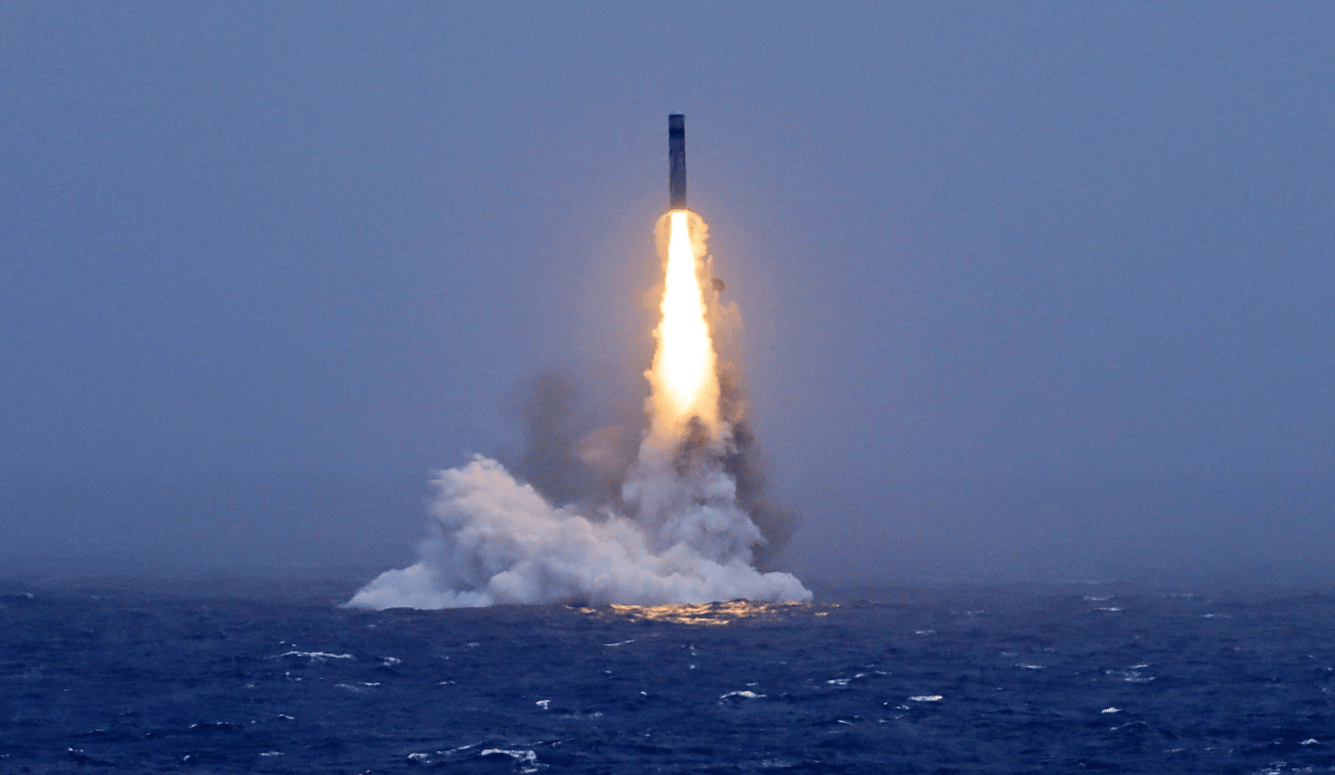
The missile was fired shortly after the signing of a mutual defence pact between the governments of Australia and Fiji—the Ocean of Peace Alliance. The pact stated that an armed attack on either party “would be dangerous to each other’s peace and security as well as the security of the Pacific,” and therefore each party would “act to meet the common danger.” If the two events are linked, as some have suggested, then we can surmise that Beijing was likely triggered by Article 12(3):
The Parties may, by unanimous consent, invite any other Pacific State in a position to further the purposes and principles of this Treaty and to contribute to the security of the Pacific to accede to this Treaty by depositing an instrument of accession.
Beijing’s fear of a ballooning bloc was well-founded—within days (and perhaps hastened by the missile test), New Zealand’s Prime Minister announced that his government would approach Fiji and Australia to discuss membership. Whether or not Pacific states had been considering the Ocean of Peace Alliance prior to the launch, they were certainly considering it now. Vanuatu was “deeply troubled,” Palau was “shocked,” Tuvalu expressed “grave and serious concern.”
This is just what the Communist Party seeks to avoid: a united front that might contest its expansionist aims. Always unsure of its military prowess, having suffered for half a century from what PLA media rue as ‘Peace Disease’, the CCP needs a smooth and easy route to absorbing Taiwan. The PLAN’s first full-range test of a submarine-launched ballistic missile (SLBM) in the open Pacific was supposed to cow neighbouring states, not to galvanise them.
Keep reading

Jerry Kaplan on AI Doomers


Payback Time for Steven Galloway

War Stories
Life in The Grim Old Days