The Wisdom of Charlemagne
In a new book about the Carolingian Empire, historian James T. Palmer argues that its founder was more than just a brutal warlord. He was also ‘a savant with a large library and a taste for the obscure.’
A collection of 8 posts
In a new book about the Carolingian Empire, historian James T. Palmer argues that its founder was more than just a brutal warlord. He was also ‘a savant with a large library and a taste for the obscure.’
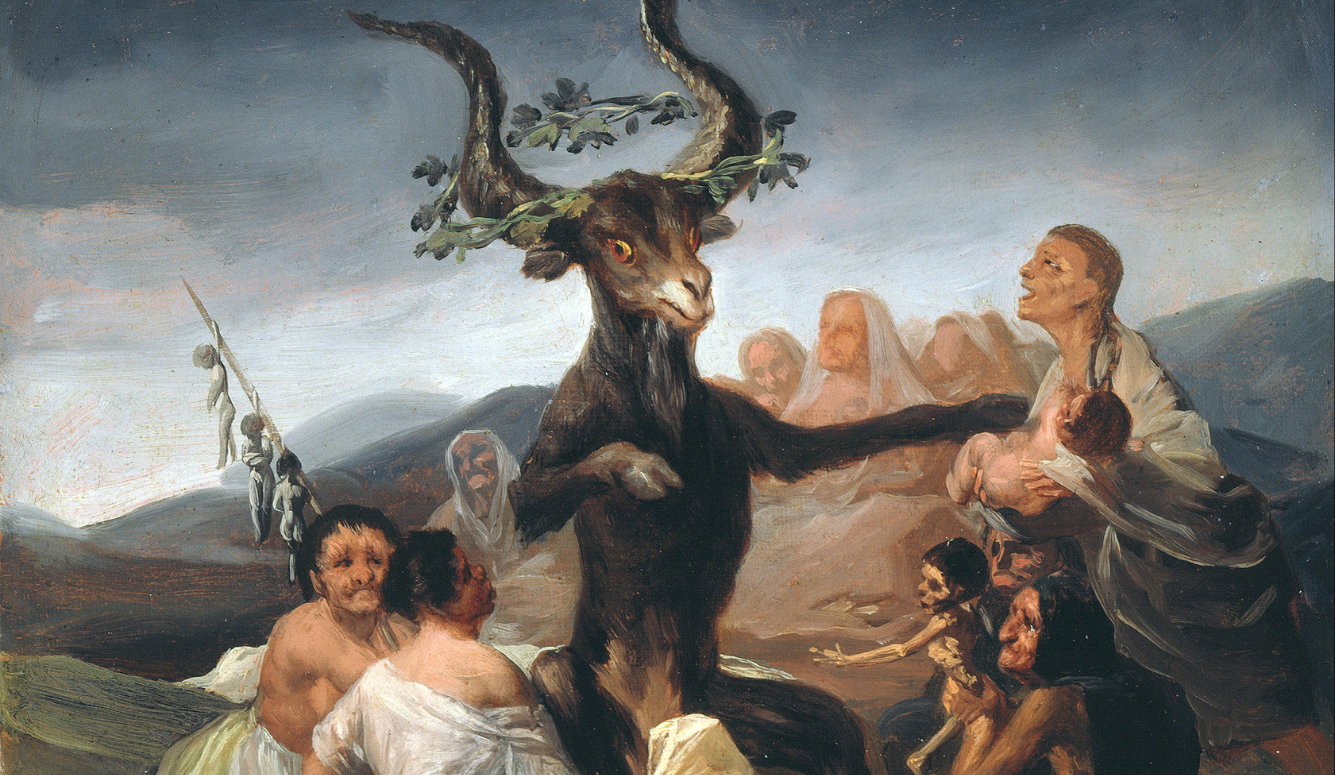
Ancient DNA has given historians a new archive, and in two decades it has settled long-running arguments about who migrated, who conquered, and who replaced whom.
The longevity of the Epstein story owes less to new facts of criminal conduct than to its symbolic utility in alleging deviancy.
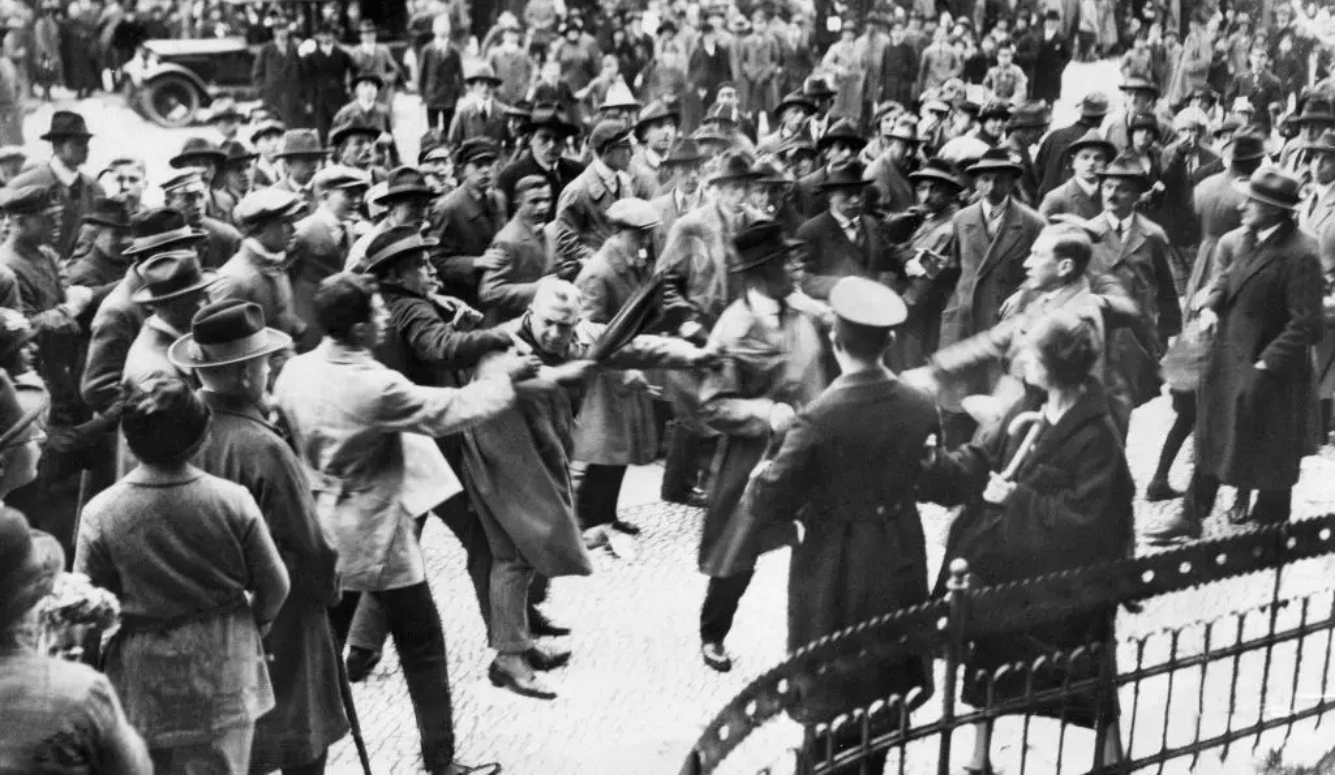
The fate of the Weimar Republic stands as a warning of what happens when societies and their citizens indulge extremism.
Susan Sontag’s 1974 essay about Leni Riefenstahl and fascist aesthetics displayed the critic at her most stiflingly moralistic and aristocratic.
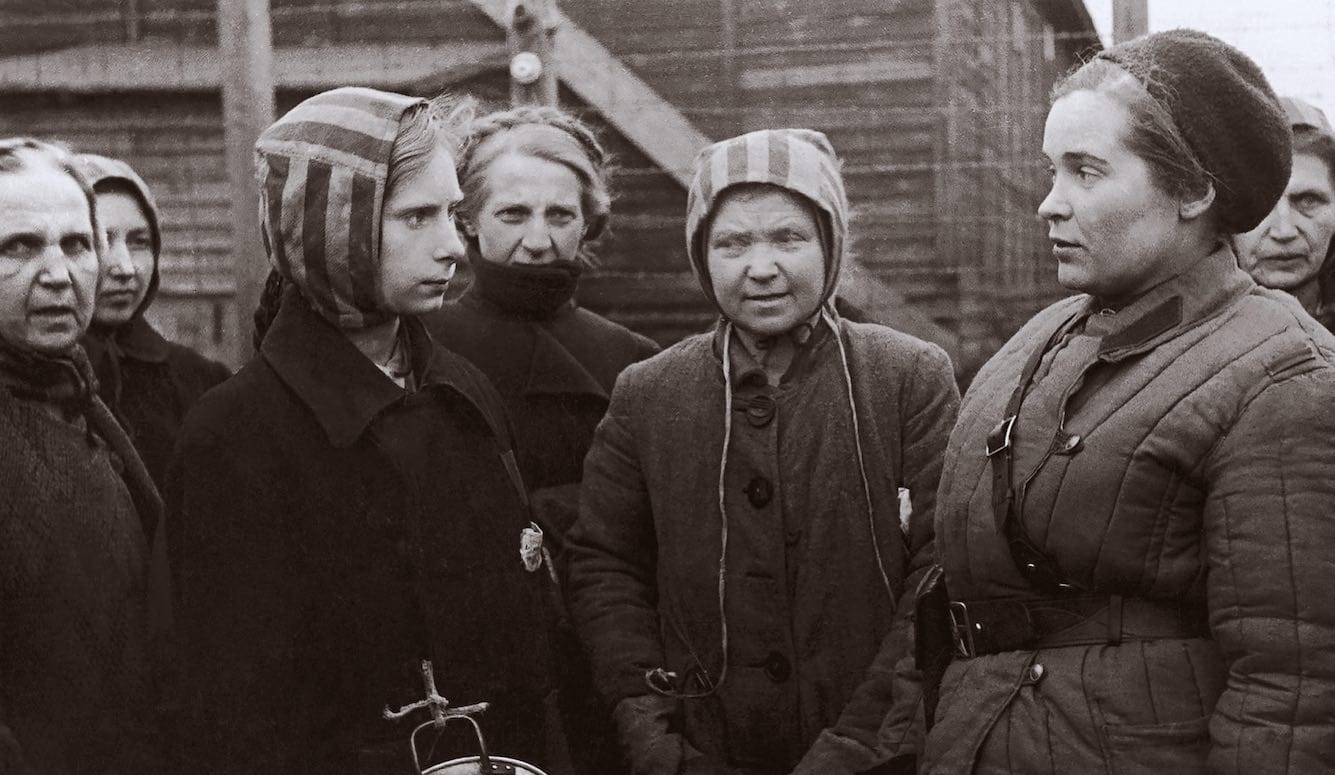
A riveting new book by American historian Lynne Olson re-examines the story of Ravensbrück, the Nazis’ notorious concentration camp for women.
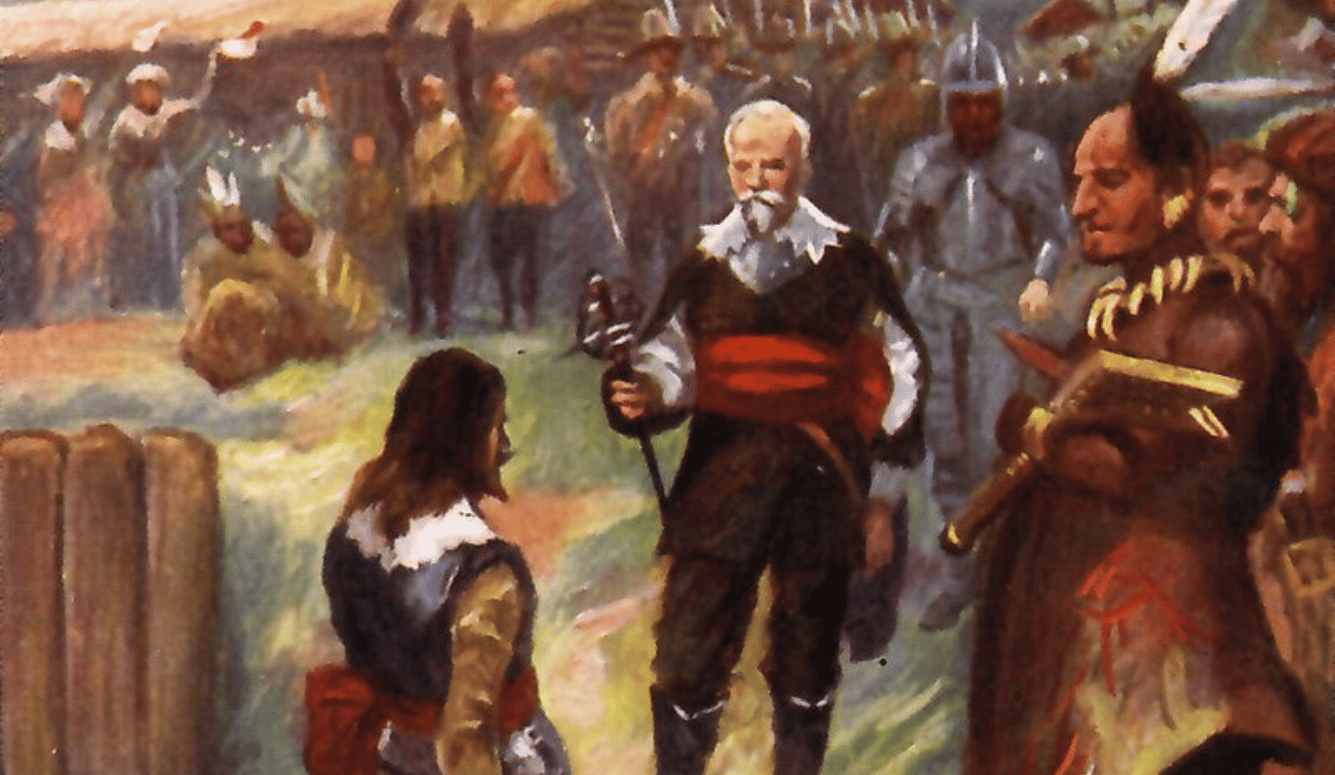
In the 24th instalment of ‘Nations of Canada,’ Greg Koabel describes how British adventurers briefly seized Quebec and Acadia following the Anglo-French War of 1627–29.
In a forthcoming book, Lyndal Roper argues that the German Peasants’ War of 1524–25 was a missed opportunity to enshrine a Christian theology centred on equality and brotherhood.