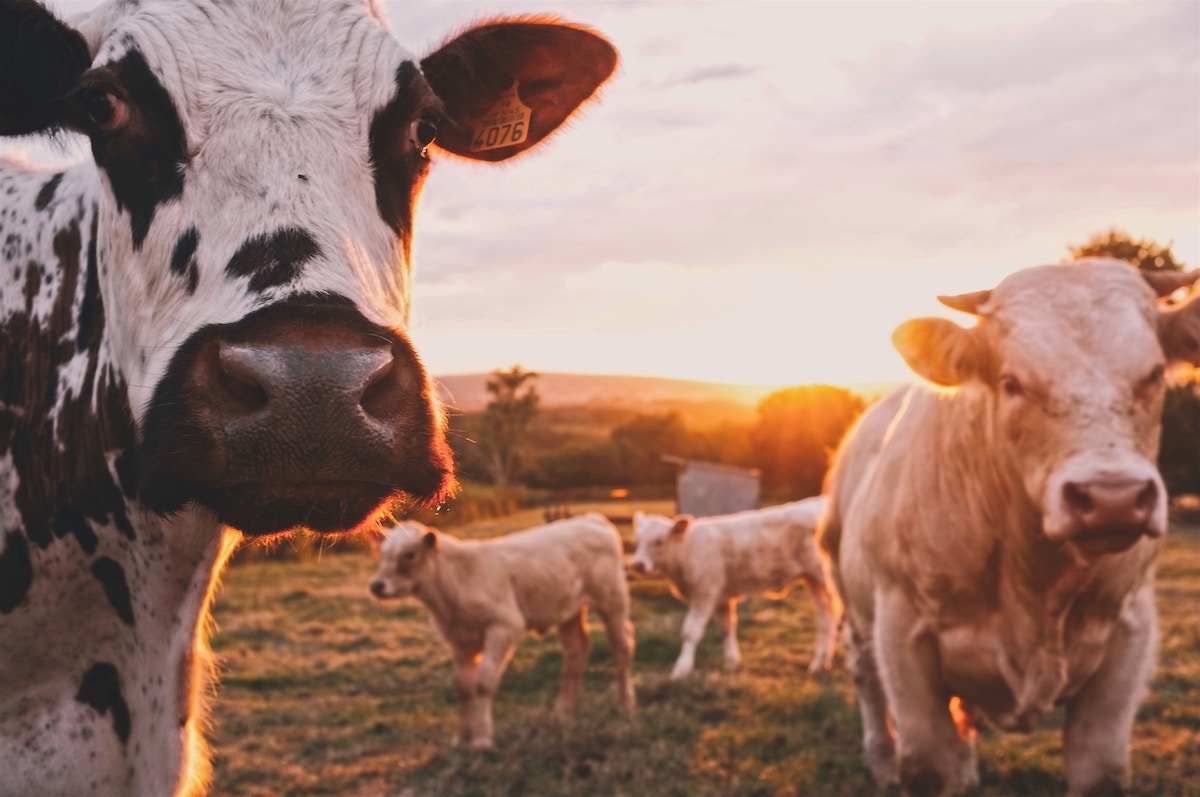
The Case for Sustainable Meat
Taken at face value, this estimate is shocking and may on its own be responsible for switching tens of thousands of people away from eating meat.
Keir Watson
· 11 min read
A collection of 70 posts
Taken at face value, this estimate is shocking and may on its own be responsible for switching tens of thousands of people away from eating meat.
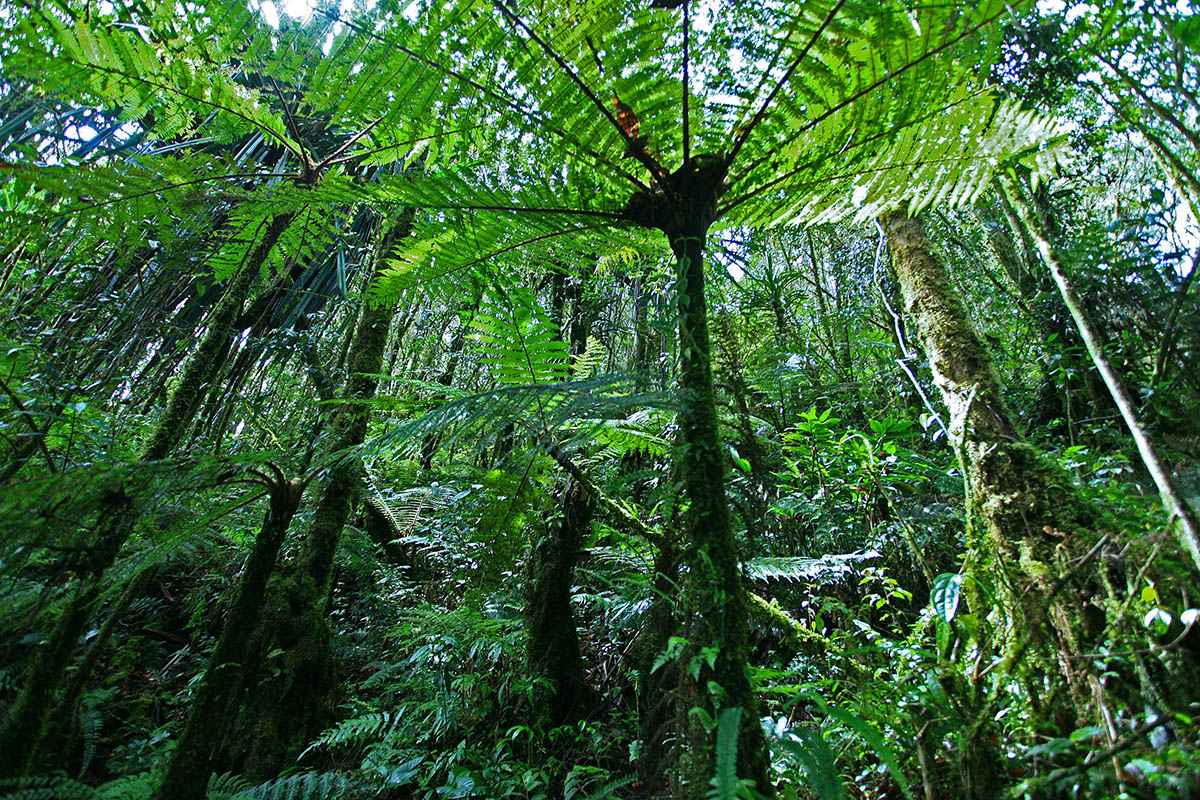
The conservation of nature is an ethical imperative. Every sentient being’s welfare – human or non-human – should be taken into account in our moral considerations.
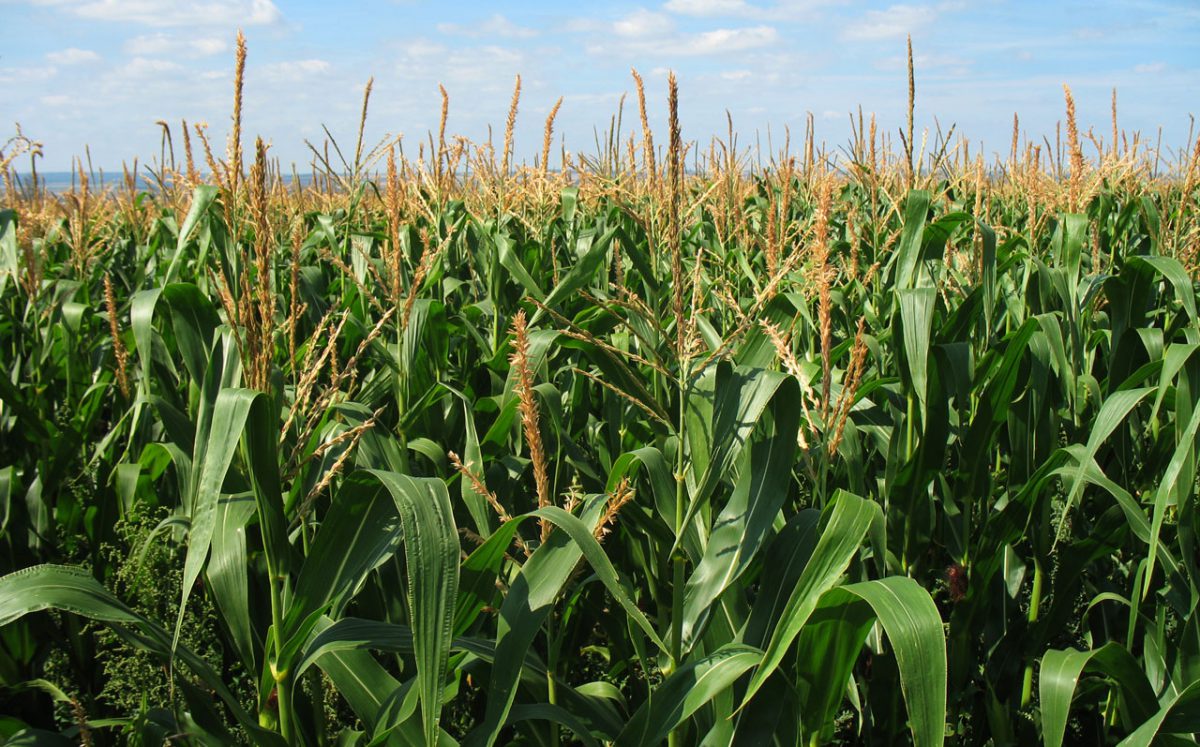
GMOs interact with wider global systems that they could potentially undermine, with terrible consequence.
Agriculture brought with it enormous benefits, including a larger trading network, a greater division of labor, and even some genetic changes that we’re better off with than without.
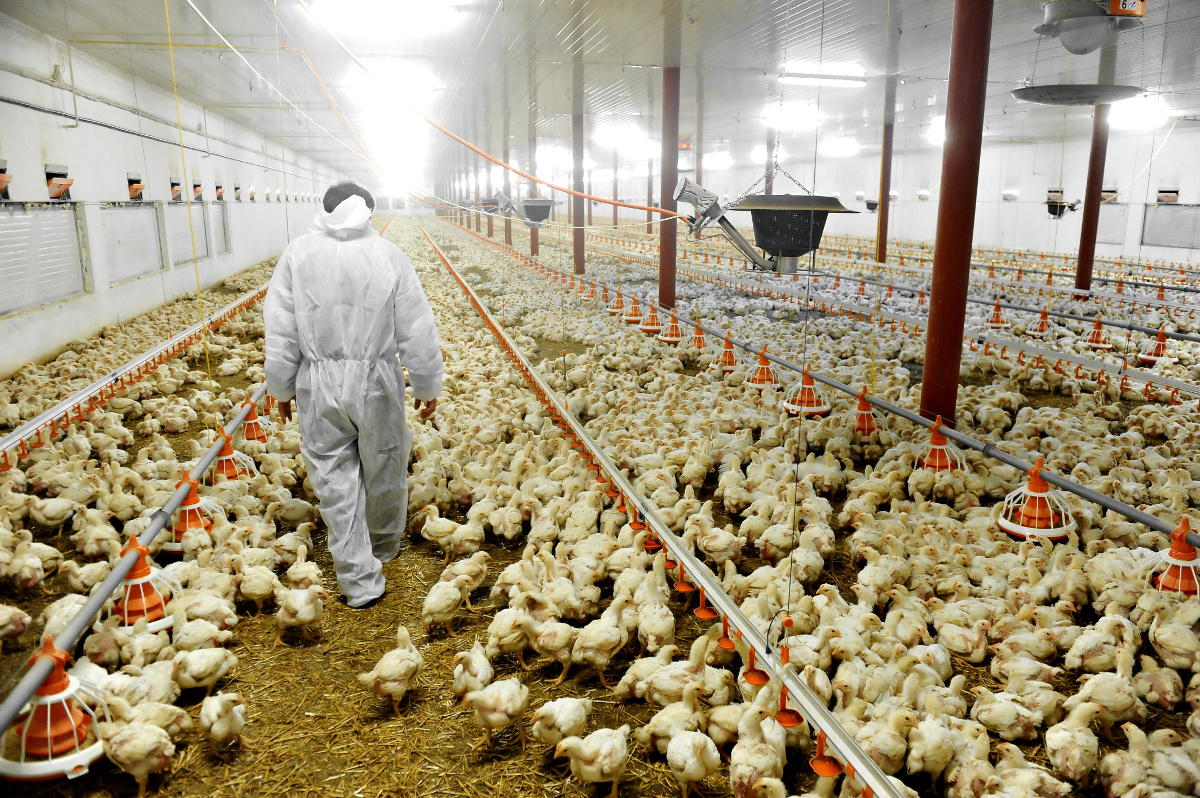
Like many practices, there are benefits as well as costs: meat from factory farms is cheaper than meat from free-range animals, often about half the price.
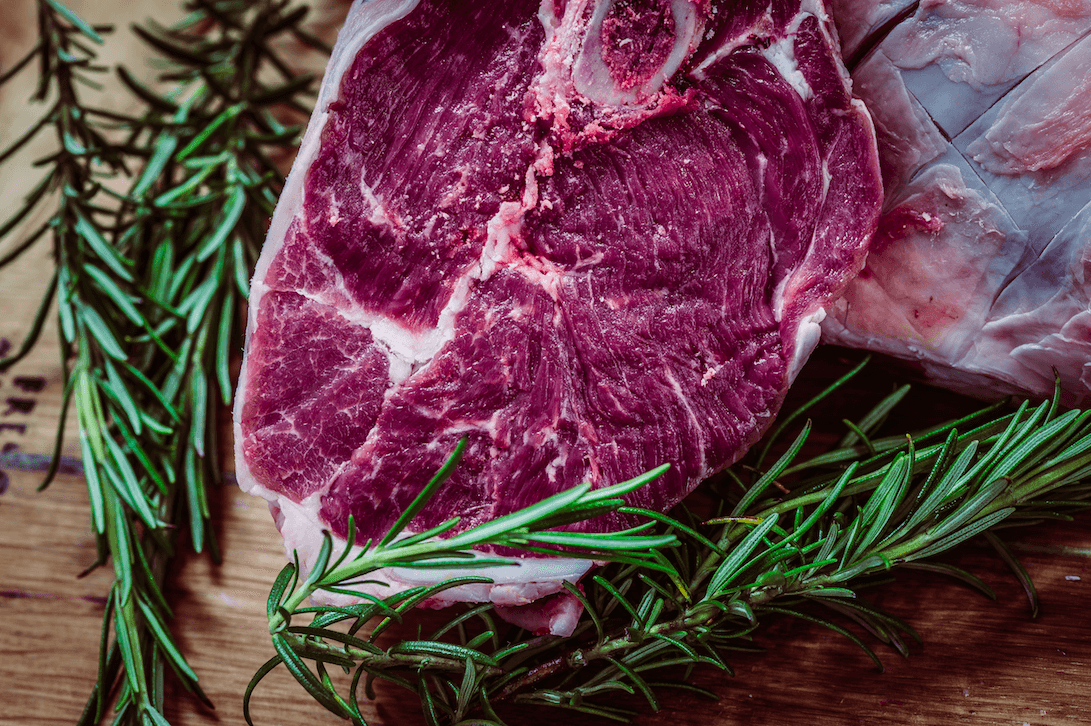
Getting to know the emotional lives of farmed animals and developing the habit of associating meat with animal suffering may be a potent tool in the meat reducer’s tool kit.

Recommendations to drink eight glasses of water each day and eat no more than 2,000 calories daily are pretty much common knowledge.
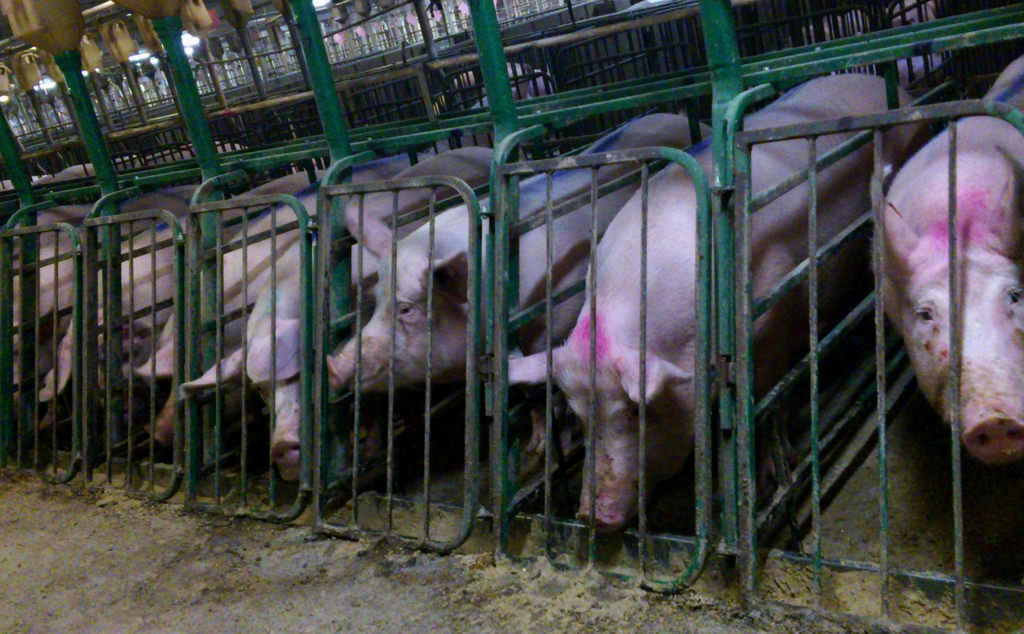
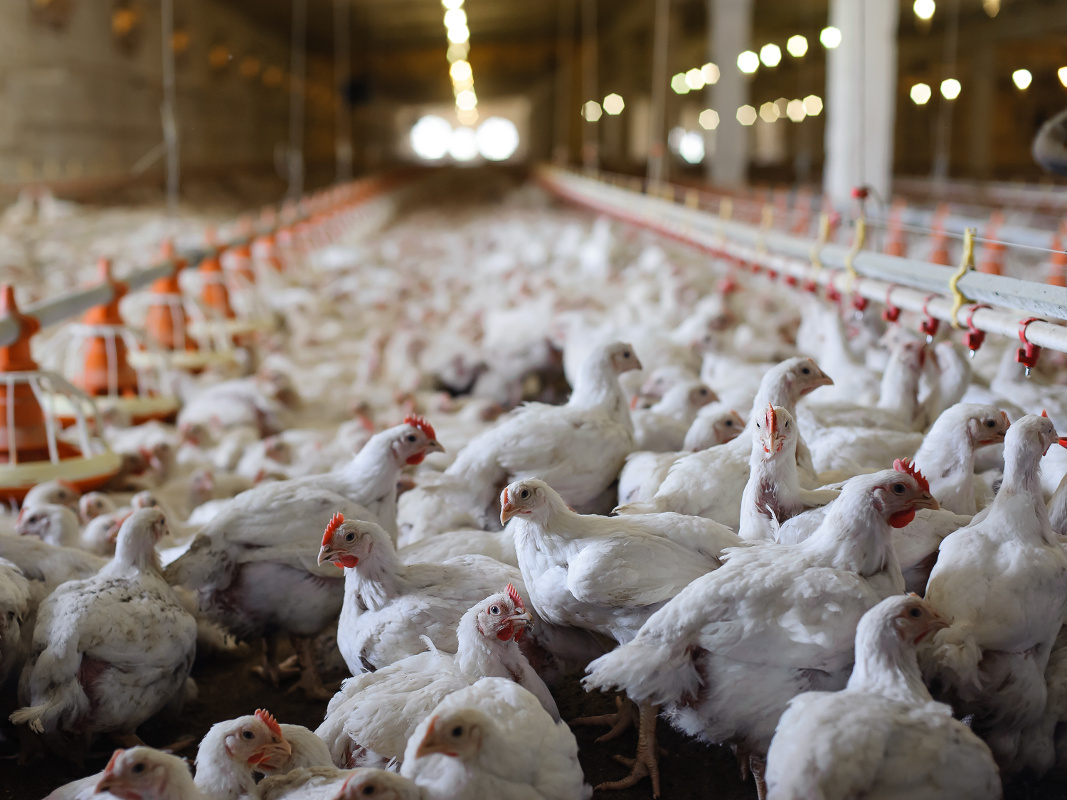
Infection is constant problem and most farms use large quantities of antibiotics to control it.
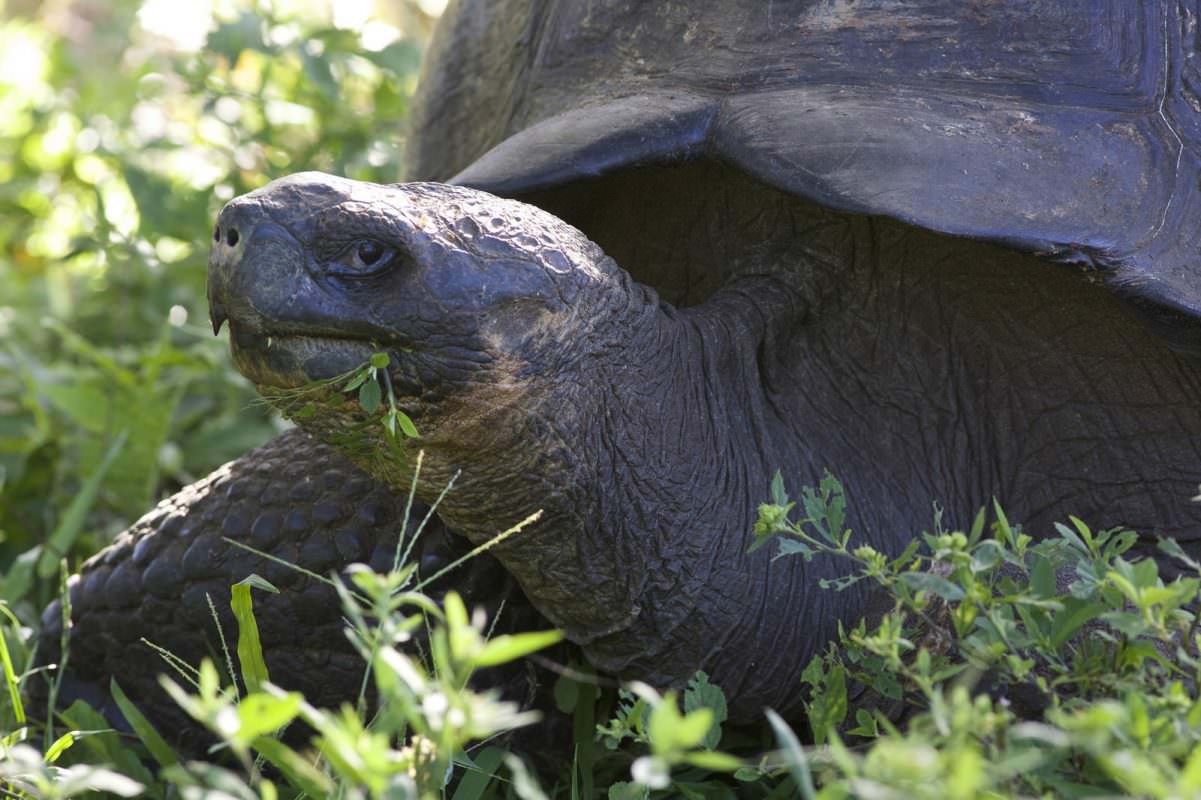
With critical support from nonprofits like the Galapagos Conservancy and advice from an international team of conservation scientists.
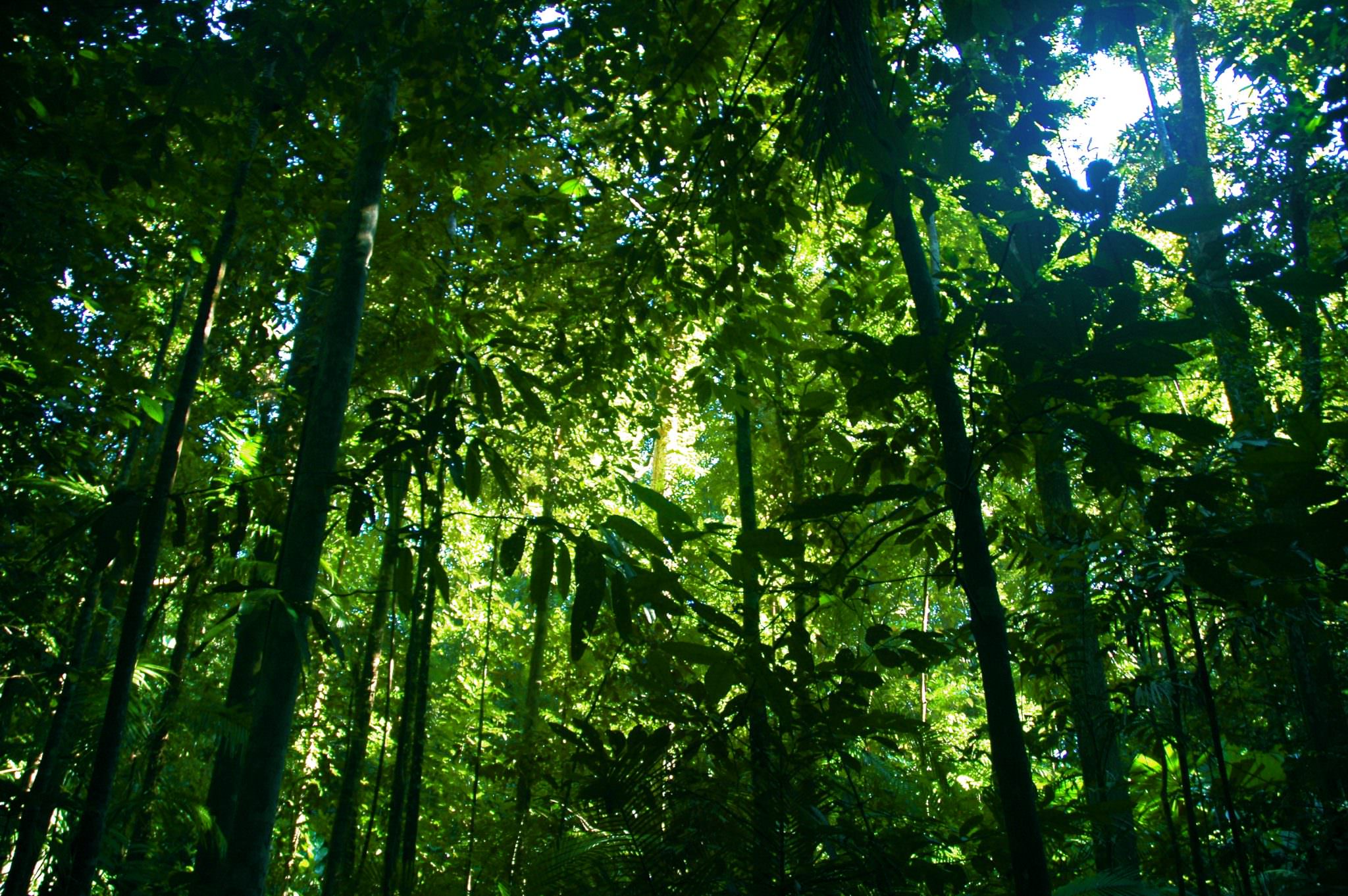
This was the vision of tropical deforestation held in the popular imagination for many years, but the reality is more complex – and more hopeful.