Skip to content

Politics

The Edifice Complex

Monuments don’t create legacy; they merely memorialise it.

· 6 min read
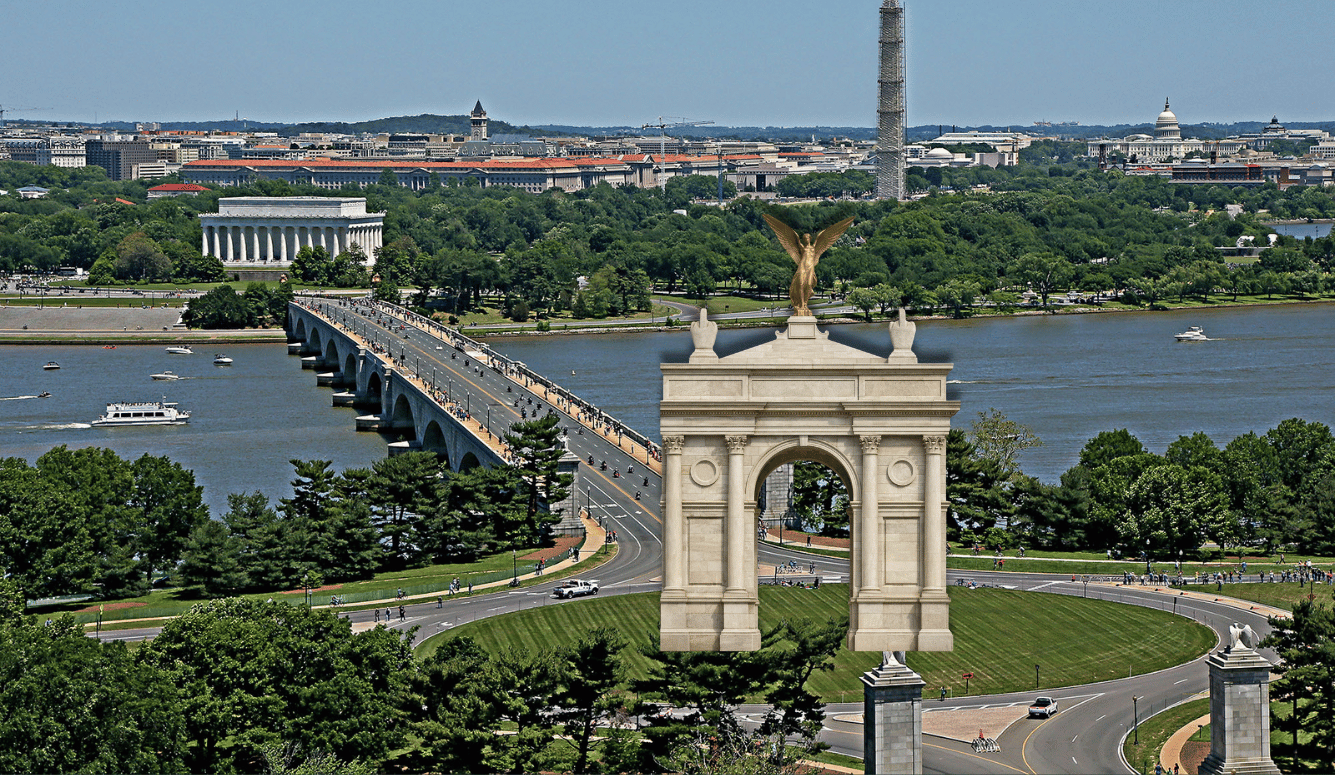
Neoclassical triumphal arch with Corinthian columns and a golden winged statue composited into a panoramic view of Washington, D.C., overlooking the Arlington Memorial Bridge.
A mockup of how Trump’s proposed memorial arch might appear in Washington, based on the design renderings released by his team. Generated using DALL·E.

Louis XIV transformed Versailles from a hunting lodge into a palace so vast it consumed France’s treasury. Stalin demolished Moscow’s Cathedral of Christ the Saviour to make way for a never-realised Palace of the Soviets that would have dwarfed the Empire State Building. Nicolae Ceaușescu razed a fifth of historic Bucharest to construct his Palace of the Parliament, the world’s heaviest building. Saparmurat Niyazov erected a gold-plated rotating statue of himself in Turkmenistan’s capital, thereby ensuring that his face would always be turned towards the sun. And in 2025, Donald Trump tore down the East Wing of the White House to make way for a gilded ballroom. This year, he announced a renovation of the now-renamed Trump-Kennedy Center and the construction of a 250-foot triumphal arch on the National Mall that would dwarf the Lincoln Memorial.

These disparate projects share a common psychological origin in what might be called an “edifice complex,” which emerges when individuals in positions of authority, uncertain of their place in history, attempt to pre-empt posterity’s judgment with grandiose construction projects. It reflects insecurity and egomania in equal measure; the psychological need to command remembrance through scale when substance might not suffice.

This syndrome appears across contexts: autocrats who construct new capital cities, monarchs who build palaces that dwarf their subjects, university administrators who prioritise signature buildings over academic programmes. But it reveals itself most clearly in leaders who fundamentally misunderstand how history works: monuments don’t create legacy; they merely memorialise it. For those afflicted, however, the physical permanence of buildings offers psychological comfort that achievements cannot provide.

Trump’s recent proposals aren’t responses to genuine infrastructural needs but programmatic attempts to physically alter Washington’s symbolic landscape. They reveal a leader building not because buildings are needed, but because the builder needs them. He needs their permanence to counter fears of historical erasure. He needs their visibility to compensate for substantive achievement. He needs their monumentality to literalise an internal sense of importance that external validation has inadequately confirmed.

Trump’s proposed alterations to the White House East Wing exemplify this impulse. The East Wing, traditionally home to the First Lady’s offices and the visitor entrance, requires no functional expansion. Rather, the elevation plan reflects a desire to physically stamp presidential identity onto the nation’s most symbolically charged residence. The White House has remained architecturally stable precisely because most presidents understood they were temporary custodians of an enduring institution. To substantially alter it suggests either profound self-importance or deep anxiety about Trump’s place in the procession of forty-plus presidents who preceded him.

The Kennedy Center renovation presents the edifice complex at its most insidious: co-opting existing monuments when building entirely new ones proves impractical. The Kennedy Center, opened in 1971 as a living memorial to JFK, represents mid-century ideals of cultural democracy. Any renovation that fundamentally alters its character—as opposed to necessary maintenance—risks appropriating someone else’s memorial for Trump’s own aggrandisement. It’s the architectural equivalent of photobombing history.

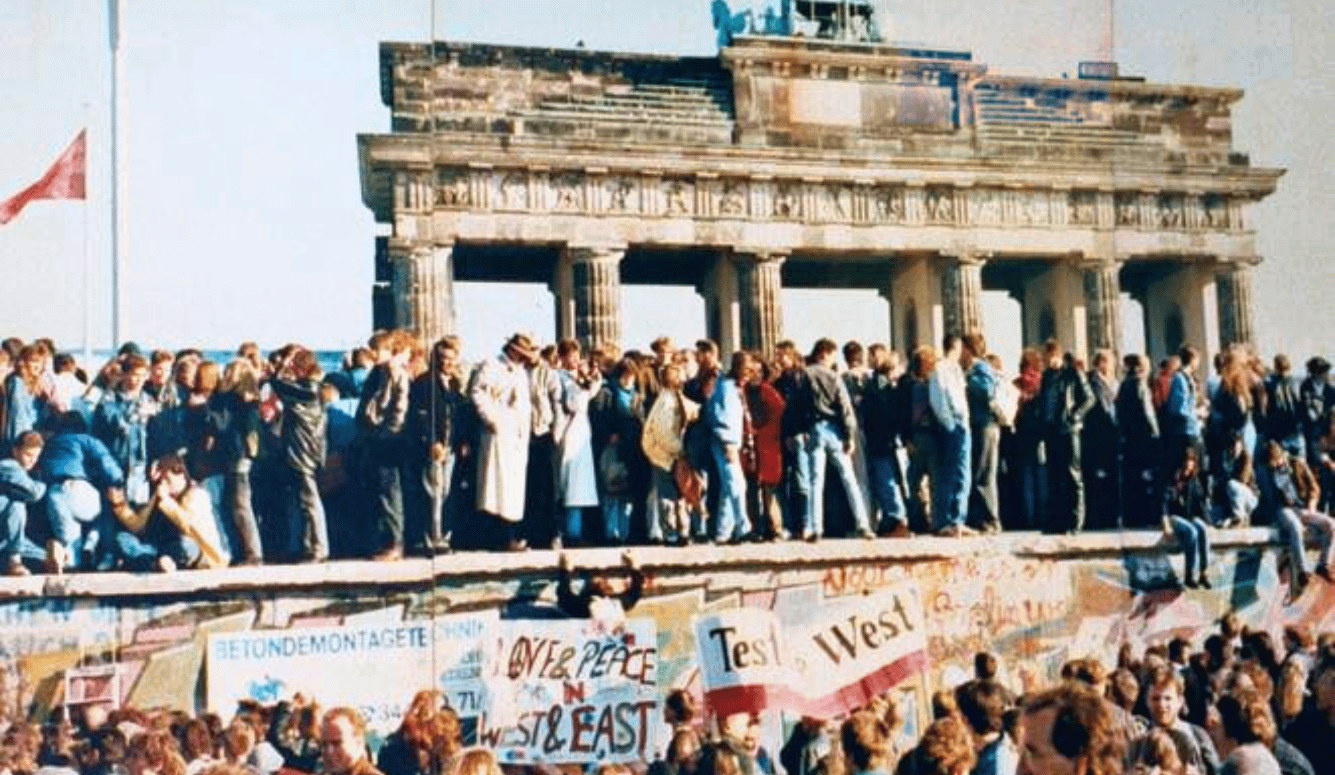
The proposed triumphal arch, however, strips away all ambiguity. Triumphal arches belong to a specific architectural vocabulary: the Arch of Titus celebrating Jerusalem’s sack, Napoleon’s Arc de Triomphe commemorating military victories, the Brandenburg Gate, redesigned to mark Prussian power. They are monuments to conquest, domination, and imperium. In democratic republics, where power theoretically derives from popular sovereignty rather than military triumph, triumphal arches sit uncomfortably. Washington notably lacks such structures, preferring memorials to democratic ideals (the Lincoln Memorial), collective sacrifice (the Vietnam Veterans Memorial), or constitutional principles (the Jefferson Memorial).

The arch becomes a three-dimensional argument against democracy’s temporary nature, imposing monarchical or imperial symbolism on republican institutions that explicitly rejected such models.

To propose a triumphal arch in this context reveals the psychological architecture underlying the edifice complex. Such monuments attempt to rewrite political reality through symbolic assertion. They declare victory where history might record defeat. They emit permanence where tenure proved temporary. They reflect dominance where democratic constraints limit power. The arch becomes a three-dimensional argument against democracy’s temporary nature, imposing monarchical or imperial symbolism on republican institutions that explicitly rejected such models.

Trump’s Pattern: Destruction as Authorship from 1980–2025
Trump and the art of the demolition, from Bonwit Teller to the White House.

Historical precedents illuminate the pattern. Louis XIV’s Versailles didn’t merely house the court; it physically manifested absolutist ideology through architecture that cowed visitors and centralised power. Hitler’s unrealised Germania imagined a rebuilt Berlin with structures so massive they would render individuals microscopic. This is architecture as totalitarian theology. Ceaușescu’s Palace of the Parliament expressed communist megalomania while ordinary Romanians lacked basic necessities. In each case, monumental building compensated for legitimacy deficits: aristocratic anxiety about Enlightenment ideas, fascist insecurity about democratic opposition, communist awareness of popular discontent.

Yet the central paradox of Trump’s edifice complex reveals either remarkable cynicism or stunning lack of self-awareness. Trump Tower—his most recognised monument to himself—already stands as a cultural artefact, but not necessarily in ways its builder intended. Its gold-plated excess, its aggressive assertion into Manhattan’s skyline, its very name emblazoned in oversized letters, have become shorthand for a particular brand of vulgarity masquerading as luxury. The building doesn’t elevate its creator; it crystallises criticisms of him in steel and glass.

This paradox extends to the proposed Washington monuments. By commissioning these structures, Trump may be cleverly using other people’s money to build permanent testaments to himself, or he may be unintentionally signalling the weakness of his substantive legacy; forcing history’s hand through architecture because policy achievements prove insufficient to command historical memory. Either way, the edifice complex reveals what it attempts to hide. The monuments may well endure, but as cultural reminders of the risk and folly of electing leaders who confuse scale with significance, permanence with importance, buildings with legacy.

History offers devastating counterexamples. Abraham Lincoln made no modifications to the White House beyond wartime necessities and commissioned no monuments to himself. Yet the Lincoln Memorial stands as one of America’s most sacred spaces, built decades after his death because his achievements demanded memorialisation. Franklin Roosevelt’s architectural legacy was the network of dams, bridges, and public buildings constructed during the New Deal. Infrastructure that served (and serves) genuine public need rather than personal aggrandisement. He never commissioned monuments to himself.

George Washington rejected monarchical trappings and retired to Mount Vernon, establishing precedents more enduring than any monument he might have commissioned. Even Theodore Roosevelt, hardly allergic to self-promotion, pursued conservation and Progressive reform rather than monumental construction, trusting that substantive achievement would secure historical memory. Winston Churchill commissioned no buildings to himself during Britain’s darkest hour. Mahatma Gandhi lived simply and built nothing, yet he changed the course of empires through moral authority. Nelson Mandela emerged from 27 years of imprisonment to lead South Africa’s transition without erecting monuments to his own suffering or triumph.

These leaders understood what those afflicted with the edifice complex cannot grasp: genuine historical significance derives from what one does, not what one builds to commemorate oneself doing it. The contrast between Lincoln’s restraint and Louis XIV’s excess, between Roosevelt’s public works and Ceaușescu’s palace, between Gandhi’s simplicity and Niyazov’s golden statue reveals the fundamental truth—that those who genuinely transform their times need not announce it in stone. History does that work for them, building monuments when monuments are deserved rather than demanded.

The edifice complex, in the end, is a confession. It’s a leader’s admission, rendered in marble and steel, that they fear their deeds alone will not suffice. Those golden statues stand as permanent testimony not to greatness, but to the insecurity that required such permanent testimony in the first place. When the builder needs the building more than the building serves any genuine purpose, the edifice complex has done its diagnostic work. The monuments may well become useful cultural artefacts, but as cautionary tales rather than celebrations. They will be permanent reminders that legacy cannot be commanded, only earned, and that insecurity rendered in architecture remains transparent no matter how much gold leaf obscures the façade.

Quillette invites thoughtful responses to its essays.
Selected responses are published once per week as part of a curated Letters to the Editor feature. If selected, letters appear under the contributor’s real name and may be edited for clarity and length.

To submit a letter for consideration, please email [email protected].