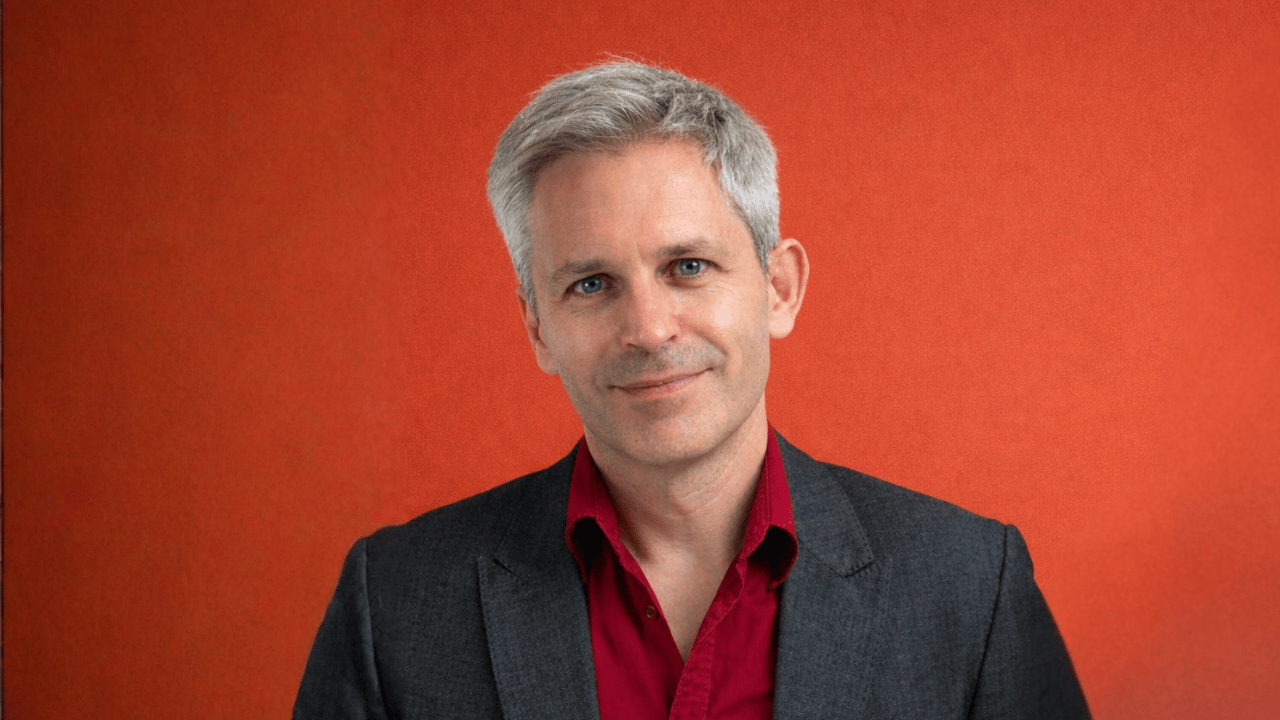
James Kierstead on Ancient Greece, Christianity, and the West | Quillette Cetera Ep. 63
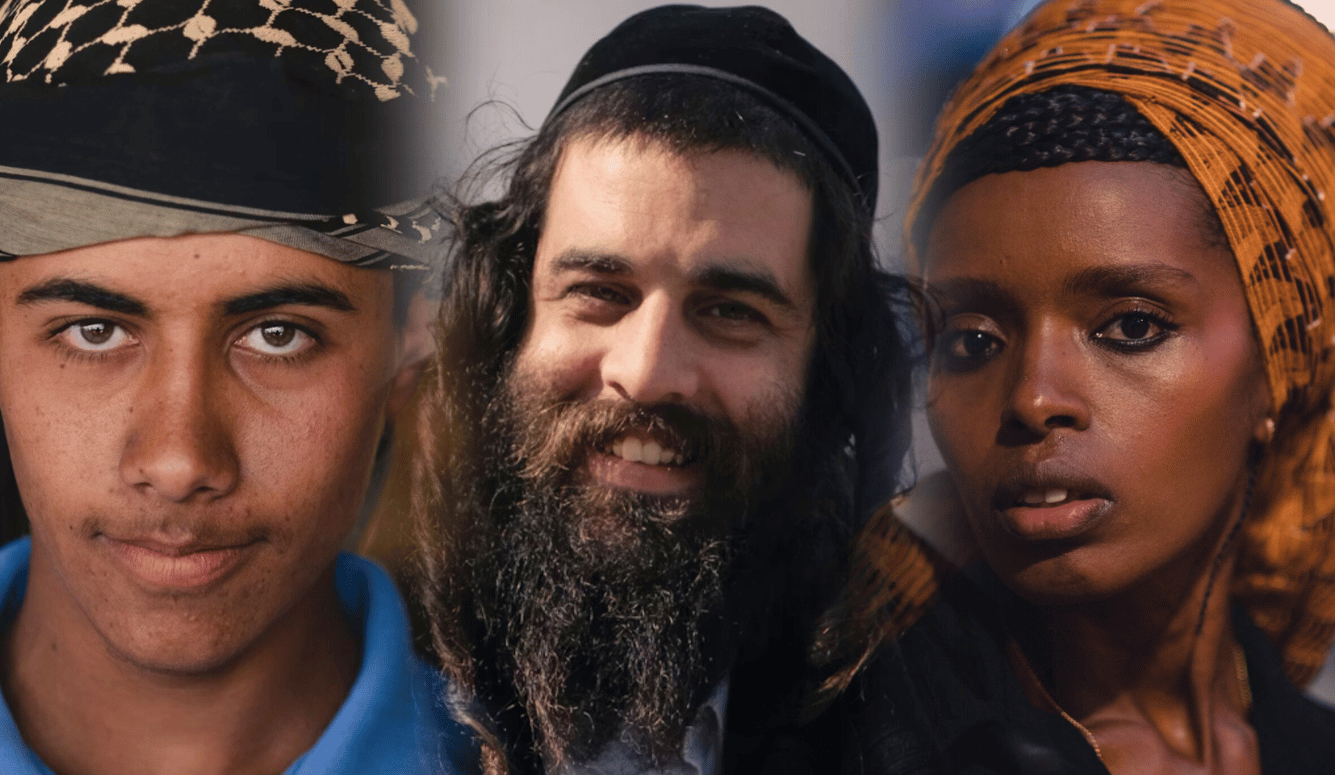
Does “the West” actually exist — or is it merely a modern political myth?


Does “the West” actually exist — or is it merely a modern political myth?
The Bondi massacre is a warning that Australia’s failure to demand integration from recent immigrants may be leading it down a dark path. Israel shows that multiculturalism can work, but only in a nation with a strong sense of identity.
Australia has long been considered politically stable compared with Europe and the United States. But according to political scientist Eric Kaufmann, that period of “Australian exceptionalism” may be coming to an end.
An Israeli former National Security Council official examines Australia’s anti-Israel protests, the rise of antizionism in Western academia, and the growing crisis of democratic confidence across the West.
For their research showing that rape is generally motivated by sexual desire, Randy Thornhill and Craig Palmer were subjected to death threats and hounded in their personal and professional lives. And yet, they were right.
How did Britain end up granting citizenship to radical activist Alaa Abd El-Fattah?
What large-scale genomic data reveals about consanguinity, inherited disease, and the uneasy politics of discussing biological risk.
An Iranian-born political analyst breaks down the origins of Iran’s latest protest movement, the regime’s brutal response, and what a political transition could look like.
From settler‑colonial theory to Soviet propaganda, this episode examines how antizionism evolved into a structured anti‑Jewish ideology—and why liberal democracies struggle to name it.
Why has Australia proved reluctant to confront antisemitism when its sources are treated as culturally or religiously sensitive?
In recent years, large international NGOs have increasingly blurred the line between humanitarian work and political advocacy.
From algorithmic incentives to progressive posturing, this episode explores how antisemitism has become a feature—not a bug—of influencer culture.