God and the Pandemic
For many established religious institutions, the pandemic threatens to exacerbate an ongoing retreat from organized religion.


Presidential fellow at Chapman University and author on urban demographics and political economy.
For many established religious institutions, the pandemic threatens to exacerbate an ongoing retreat from organized religion.
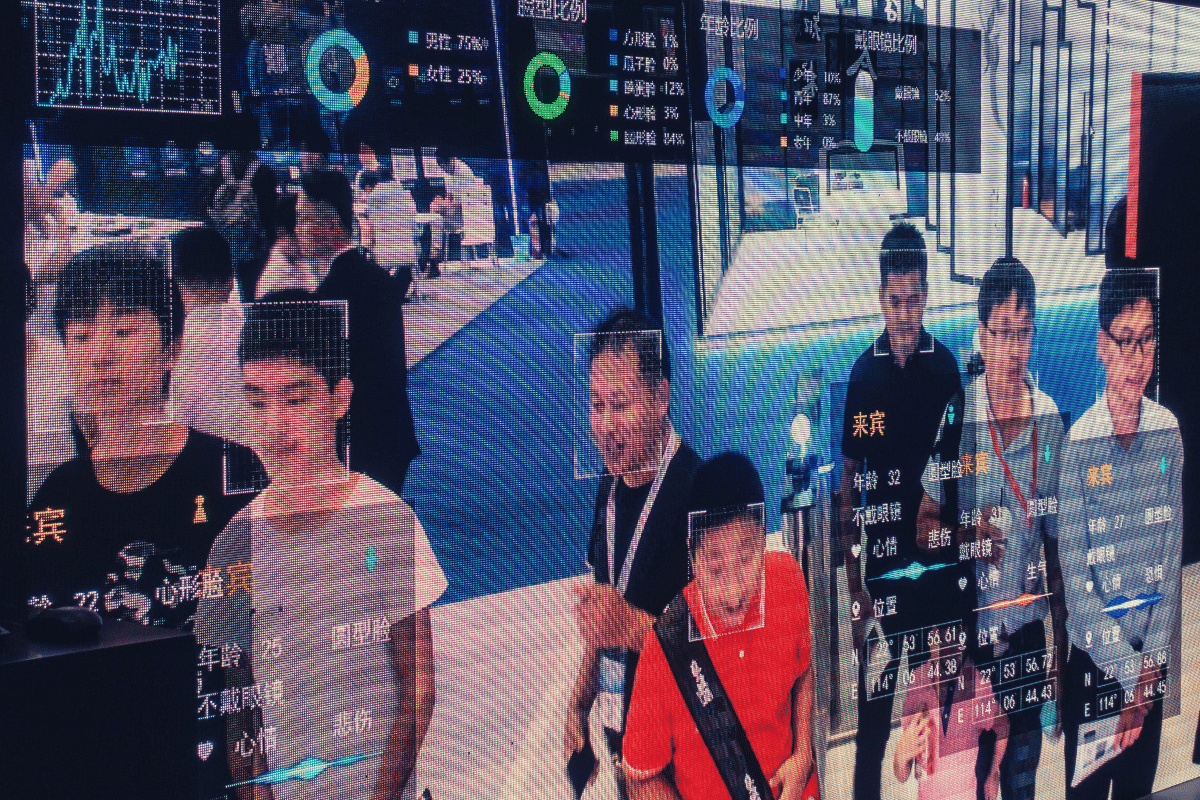
Rather than the emergence of a China-dominated world order, as some in the West and many in Beijing propose, science fiction writers illuminate realities that could end up reprising the failures of the former Soviet Union.
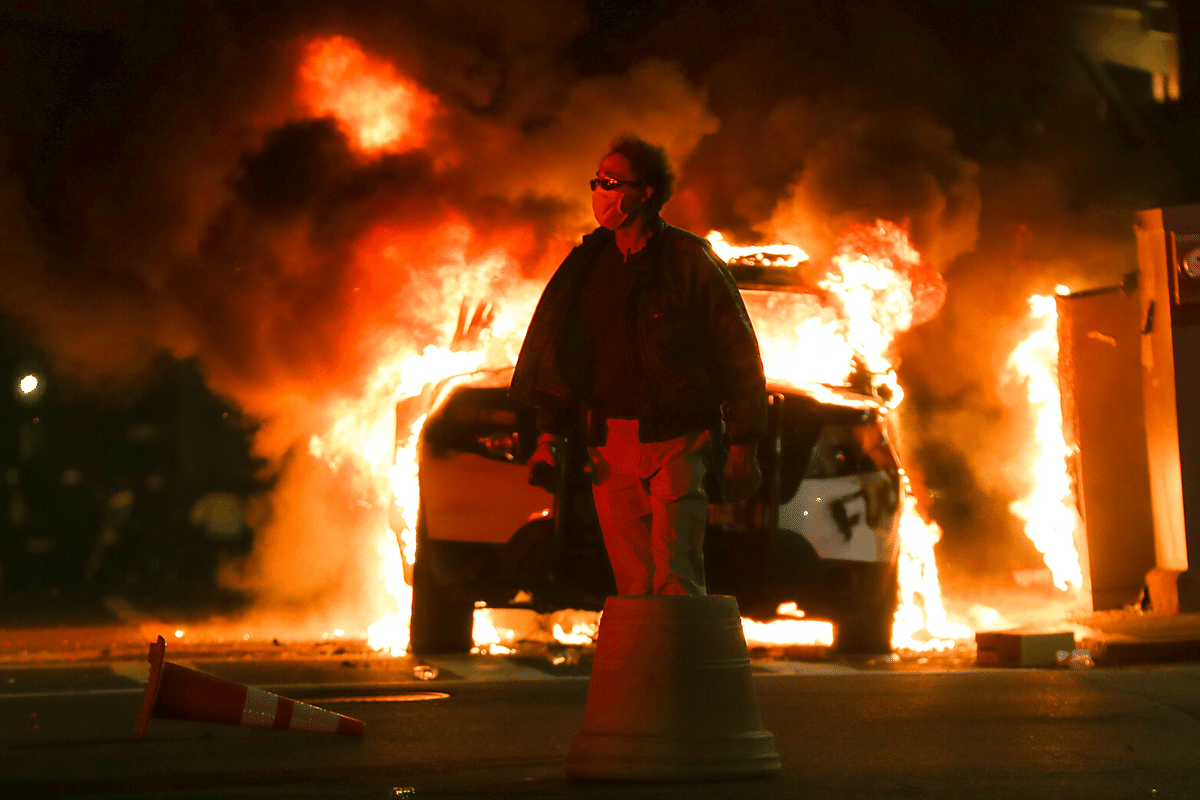
Listen onSpotify Joel Kotkin, executive director of the Urban Reform Institute and author of The Coming of Neo-Feudalism, talks to Toby Young about the effect of the coronavirus pandemic on American cities and the rioting that broke out following the death of George Floyd. Joel recently wrote about this
Cities in which inequality has been allowed to deepen for a generation now need to find new strategies that provide hope and fairer policies to their poorer residents. The alternative is watching them burn when minority and working class resentment inevitably erupts.
The lockdowns have impacted different classes differently.
New digital connections could incubate a new urban culture unlike any we have seen.
The struggle between the two middle classes is not just a matter of wealth and power, but also of retaining the social basis for democracy itself.
The prospect of stagnating incomes amidst ruinous pension and other costs comprise a toxic cocktail with potentially profound de-stabilizing effects.
The rise of global antisemitism seems certain to accelerate the demographic decline of Jews in most of the world, and their eventual concentration in Israel.
The emerging configuration of the new urban politics threatens many of the gains made over the past two decades.
Being able to improve the lives of the people was always seen as a critical element assuring the Imperial “mandate of heaven.”
The trend towards post-familialism, a society in which the family and marriage are no longer central to society, will reshape our politics, economy, and society in the decades ahead.