Memorial Daze
Notions of injury or exclusion are often based on shifting cultural sensitivities and political pressures, rather than on any permanent, universal measure of good and evil.


George Case is a Canadian author of numerous books on social history and pop culture, including ‘Takin' Care of Business: A History of Working People's Rock 'n' Roll’ (Oxford University Press, 2021)
Notions of injury or exclusion are often based on shifting cultural sensitivities and political pressures, rather than on any permanent, universal measure of good and evil.
John Landis’s 1978 comedy classic ‘Animal House’ is a time capsule from an era when humor and campus politics were very different.
Among the countless articles and words devoted to the expression of opinion in the last 150 years, the vast majority are forgotten endorsements of a status quo, or futile critiques from the sidelines that were soon overtaken by events.
Canadians have had to formulate a new language to address new complications posed by immigration, and no one is quite sure how that language should sound.
Societies may improve, but protesters’ arguments remain the same.
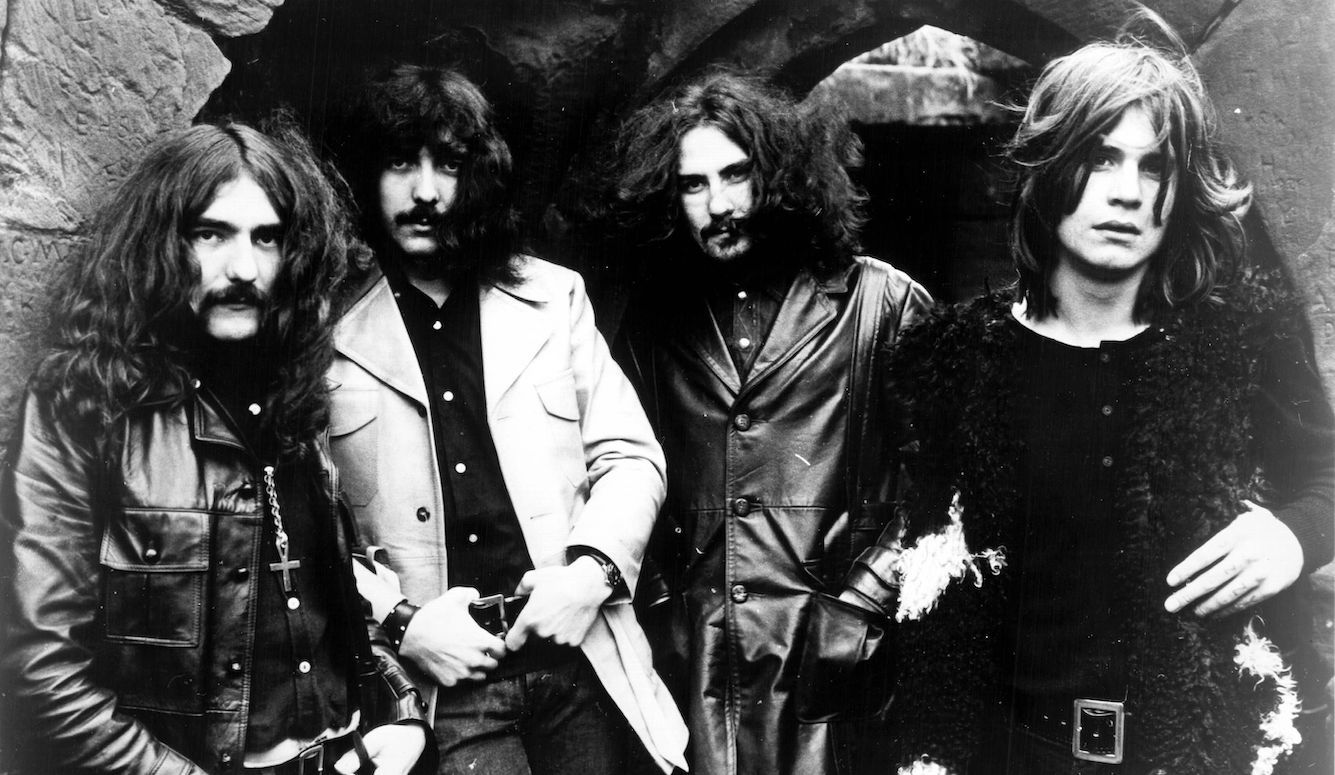
“Things were bleak, they really were. Yet nobody was singing about that side of life, which is why we thought we should.”
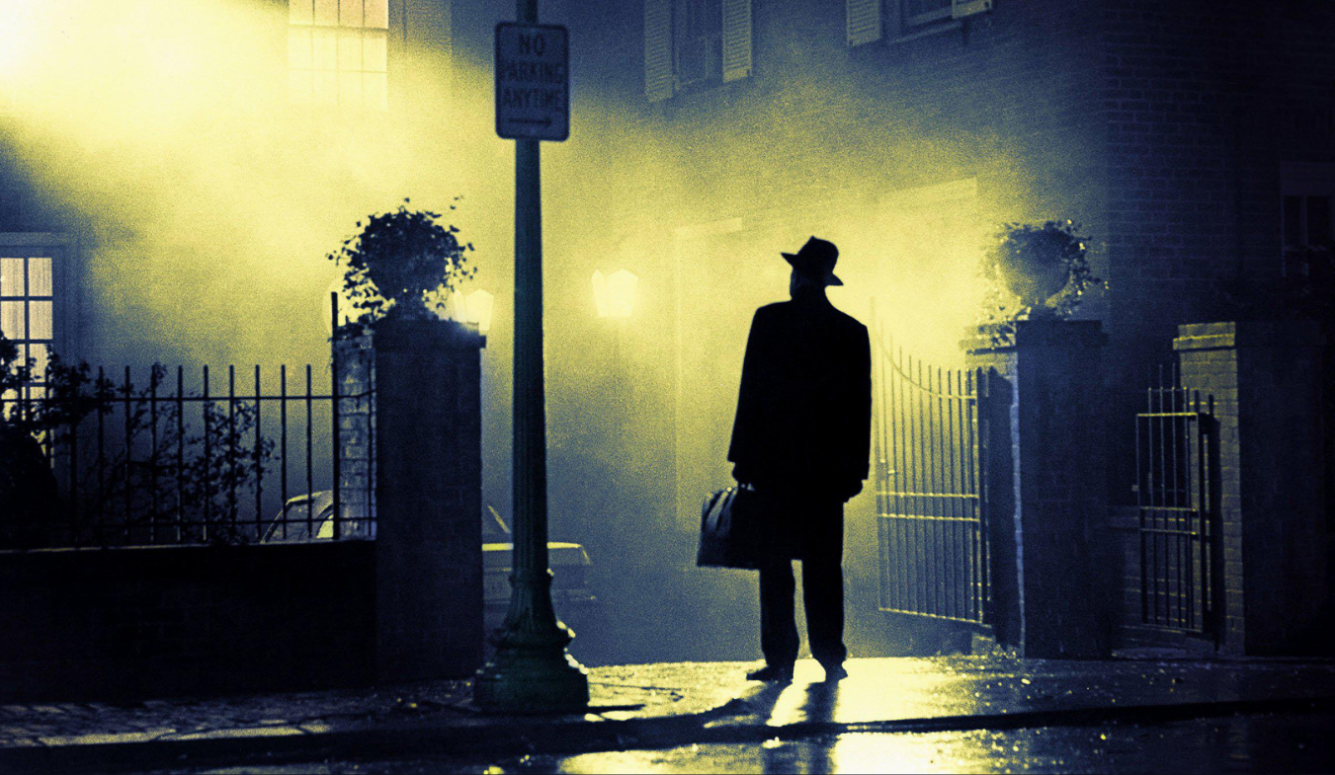
William Friedkin’s horror classic is 50 years old.
Apprehensions of dog whistles and code words in political discourse are a desperate rearguard strategy to maintain a moral high ground.
Activists and opinion-formers on the Left and Right have been persuaded that living under anything besides the kind of governance they want means they’ve been cheated.
President Eisenhower’s warning deserves to be better understood.
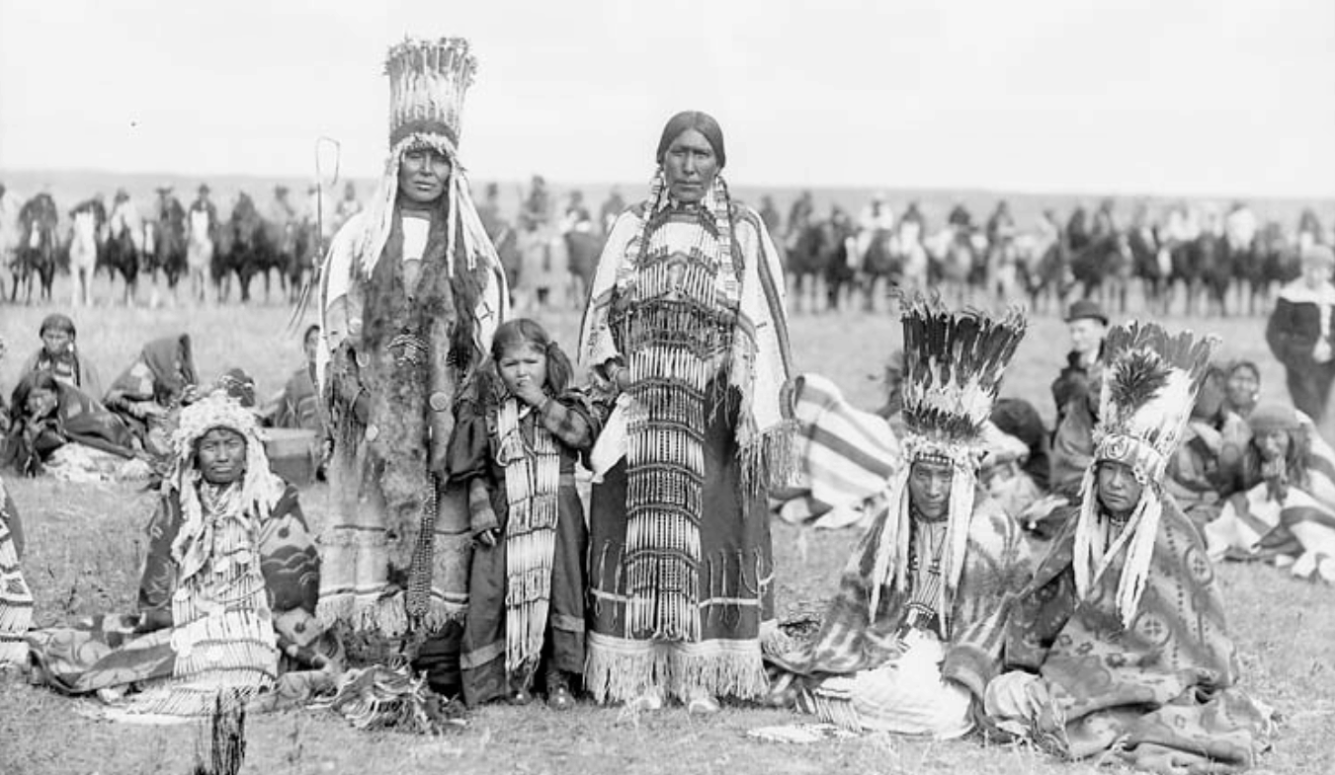
Sanctioned racial essentialism for Aboriginals, mandatory multiculturalism for everyone else.
Reappraising one of British journalism’s most notorious pieces of cultural criticism.