Literary Studies Without the Literature
English departments are increasingly ignoring the great works of the past, in favour of popular literary works that reflect activist themes and nonliterary works of political and social theory.
A collection of 6 posts
English departments are increasingly ignoring the great works of the past, in favour of popular literary works that reflect activist themes and nonliterary works of political and social theory.
An English professor burns the midnight oil talking to Microsoft Copilot about Shakespeare, Dickinson, Hawthorne, and a play he’s been working on—and comes away deeply impressed by its literary insights.
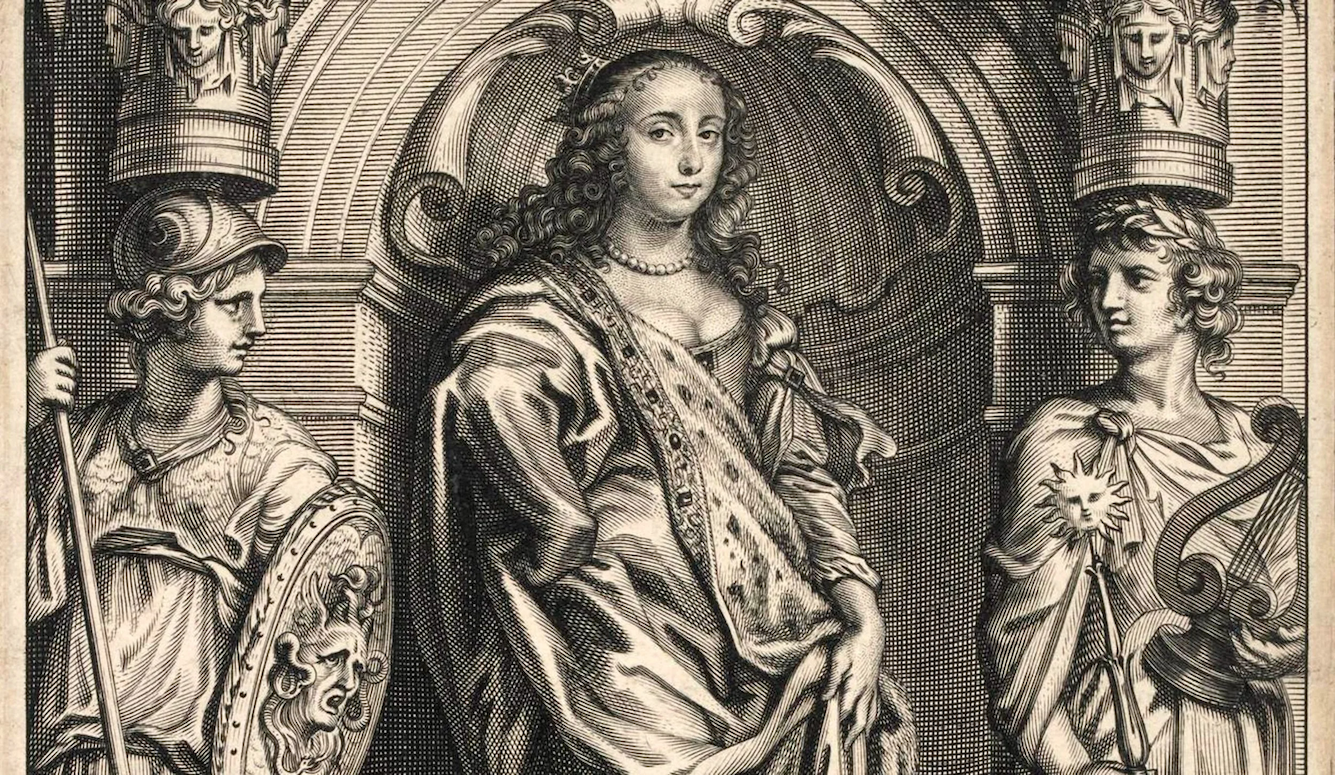
A new book by Elizabeth Scott-Baumann examines the female poets and literary critics who challenged seventeenth-century England’s male literary establishment.
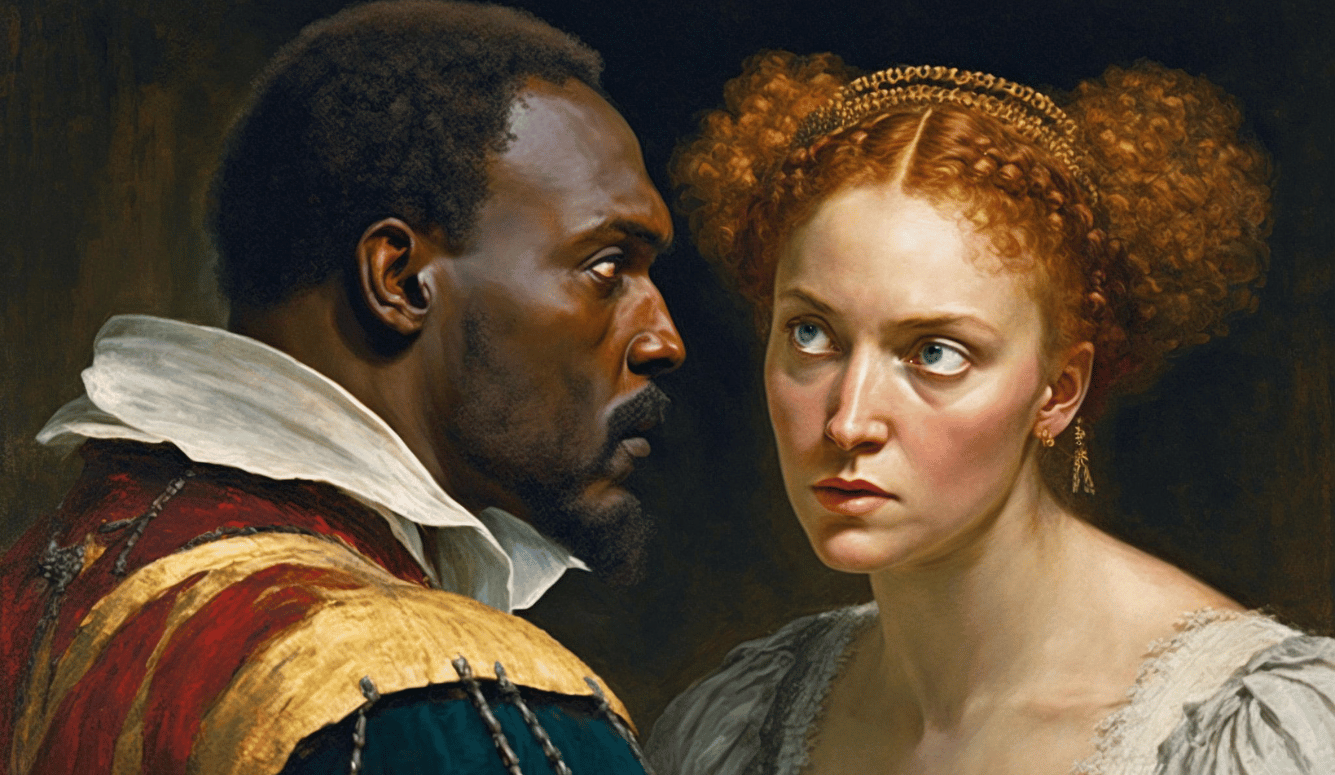
Othello and Iago represent two enduring behaviours whose conflicts have shaped much of humanity’s theory of mind and moral emotions to the present day.
Sometimes, what we are taught, and then either by mistake or by force, integrate into our thinking, is contrary to the conditions of human life.
It is in such trancelike states that Murakami’s characters are drawn into the lands of the surreal and the absurd.