Israel, Hamas, and Hezbollah
Updates on the military situation facing Israel, especially the possibility of all-out war with Hezbollah.


Benny Morris is an Israeli historian. His books include 1948: A History of the First Arab–Israeli War (Yale UP, 2008) and most recently Sidney Reilly: Master Spy (Yale UP, 2022). Morris has a Substack, Benny Morris’s Corner.
Updates on the military situation facing Israel, especially the possibility of all-out war with Hezbollah.
After seven months of campaigning, Israel’s most pressing problem remains the continued existence, indeed resilience, of Hamas.
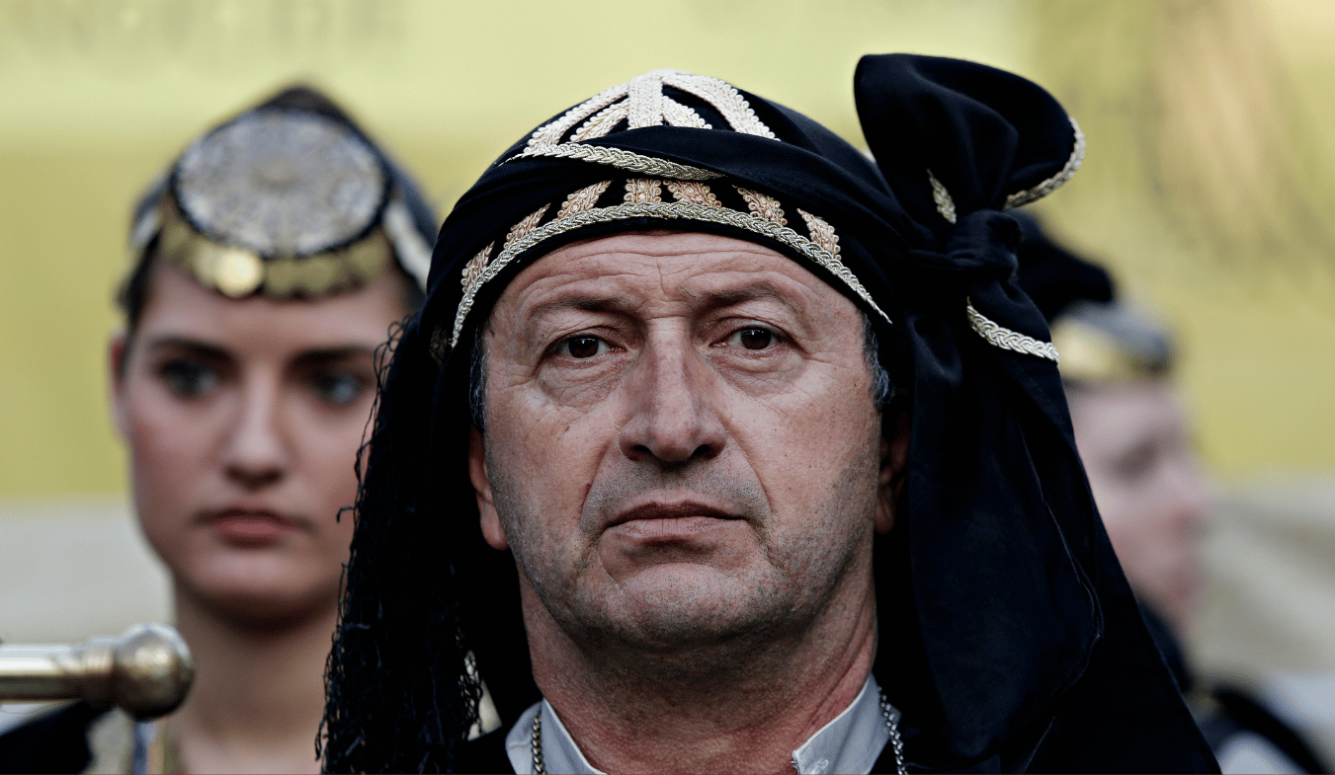
While routinely declaring that Israel’s behaviour toward Hamas is genocidal, Erdogan has consistently denied the real genocides carried out by Turkey.
The Iranian missile strike against Israel marks a watershed moment in the Middle East conflict, even though it was unsuccessful.
A welter of factual errors and misleading judgments has produced a distorted description of the 1948 War.
Many of the questions that have arisen since October 7 have been raised before.
The Jewish state is facing security threats from groups based in Gaza, the West Bank, Lebanon, and Yemen—all of them supported by Iran.
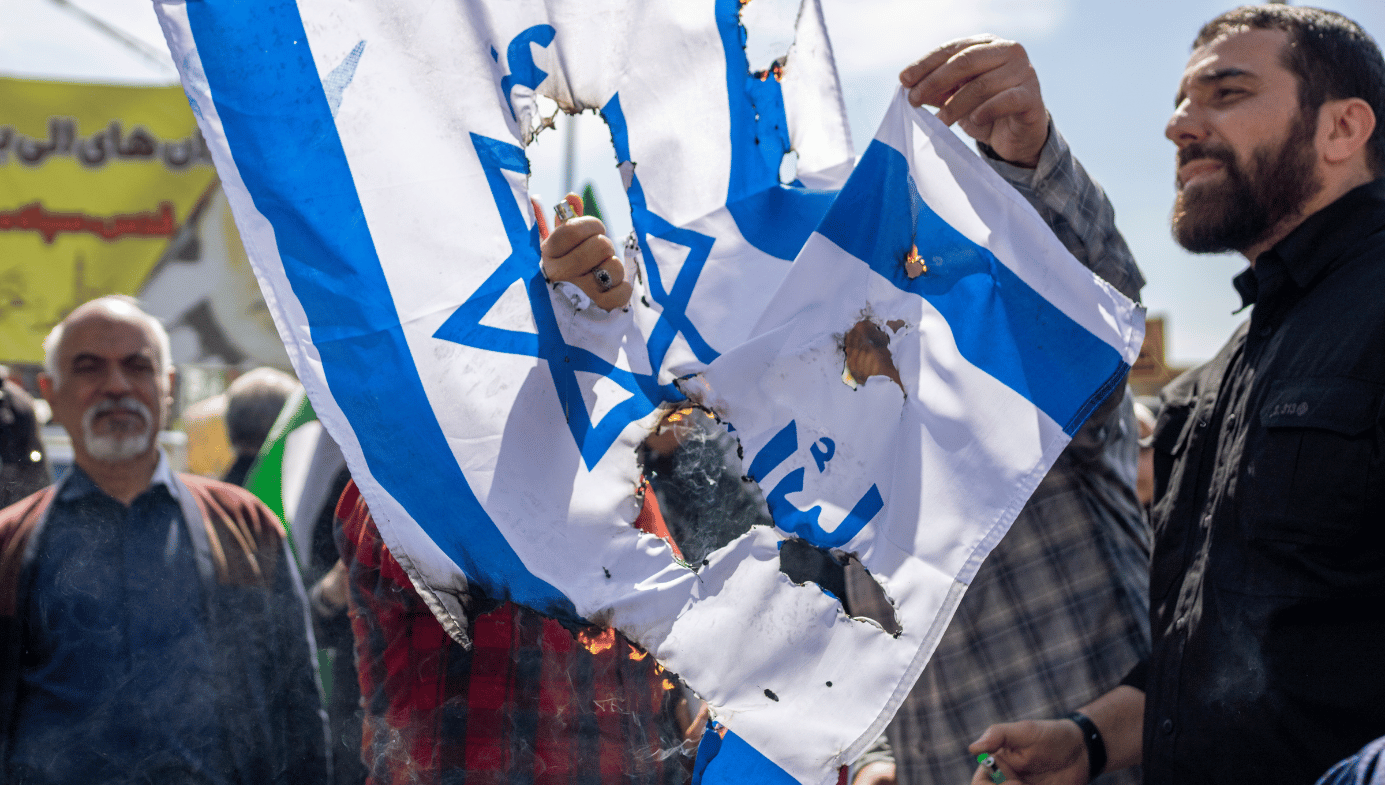
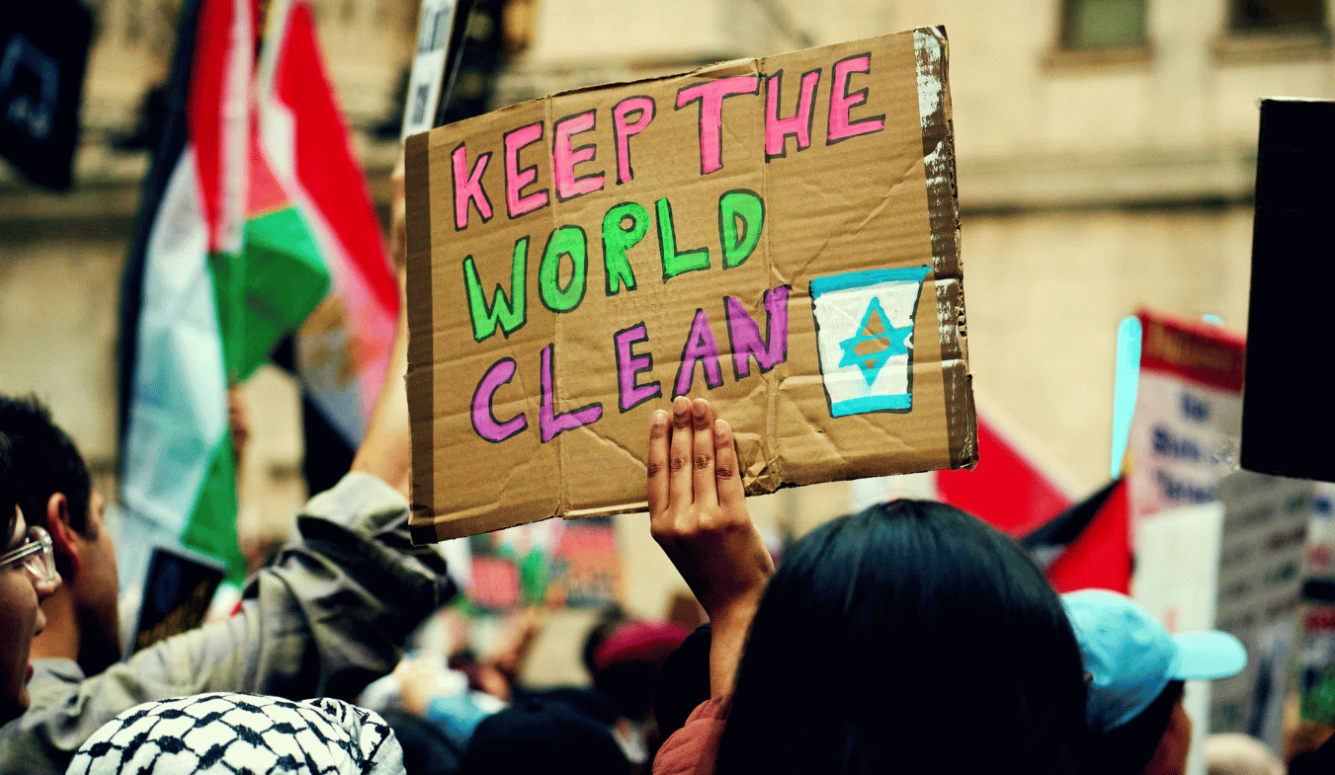
The pro-Hamas demonstrations are driven by the identification of Israel with “colonialism” and the idea that the Palestinians are anti-colonialists. This approach is based on ignorance.
Quillette podcast host Jonathan Kay talks to influential Israeli historian Benny Morris about Hamas’ acts of mass murder, the Israeli response, and the future of Gaza.
Today's political and military leaders never imagined that the Hamas was capable of launching a successful invasion of Israel's borderlands.
Jonathan Kay speaks to famed Middle Eastern historian Benny Morris, whose latest book explores the ethnic cleansing of Turkey during the last decades of the Ottoman Empire. Listen onSpotify Transcript Jonathan Kay: Benny Morris is one of the world's most well-known historians of Israel and its conflict
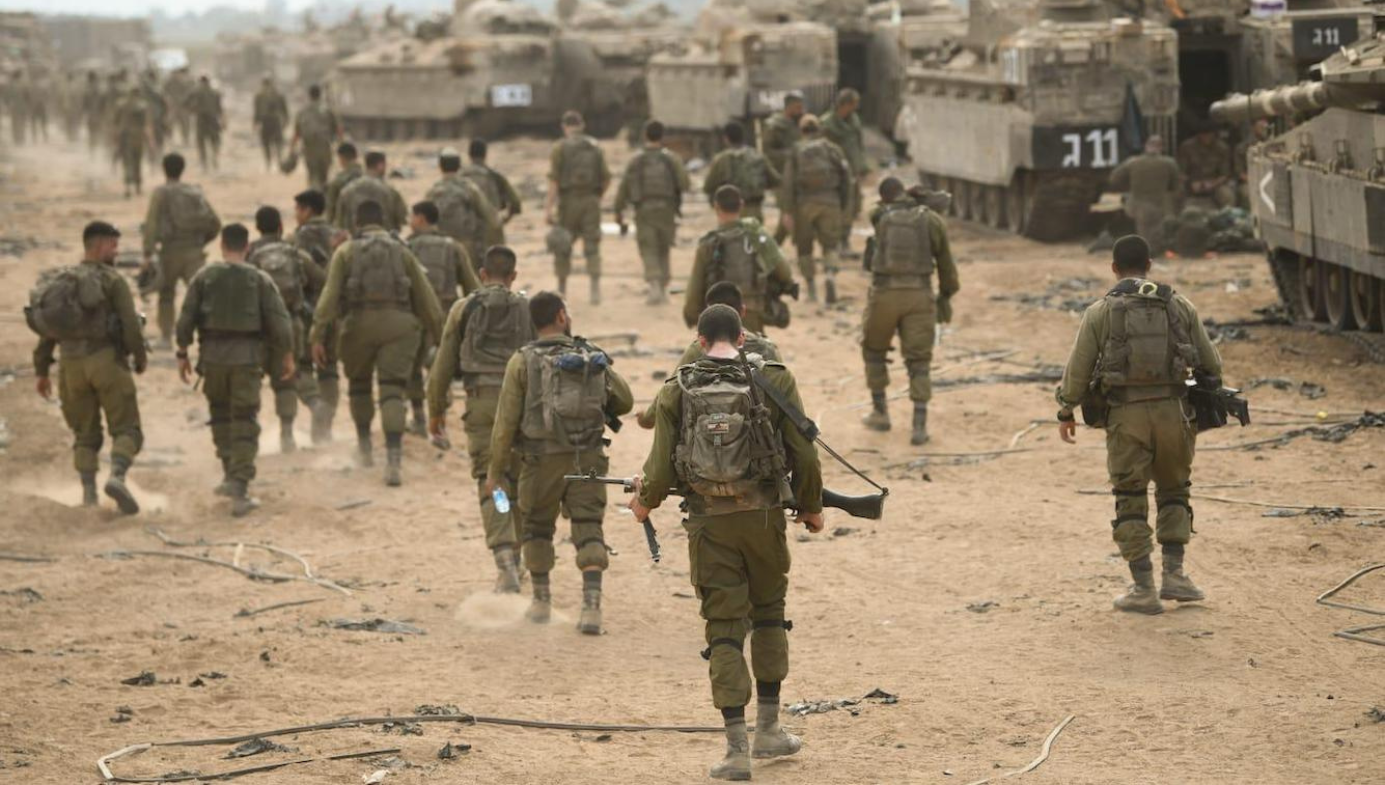
In combat, the IDF was more disciplined, which accounts for its battlefield successes—though these probably also owed a lot to the character and quality of the armies they had faced.