Podcast
Canada’s Unmarked-Graves Social Panic (2021-26) Explained
Podcast host Jonathan Kay discusses the underlying societal factors that caused his country's journalists, politicians, and academics to uncritically accept false claims that the bodies of 215 Indigenous children had been found on the grounds of a former school.
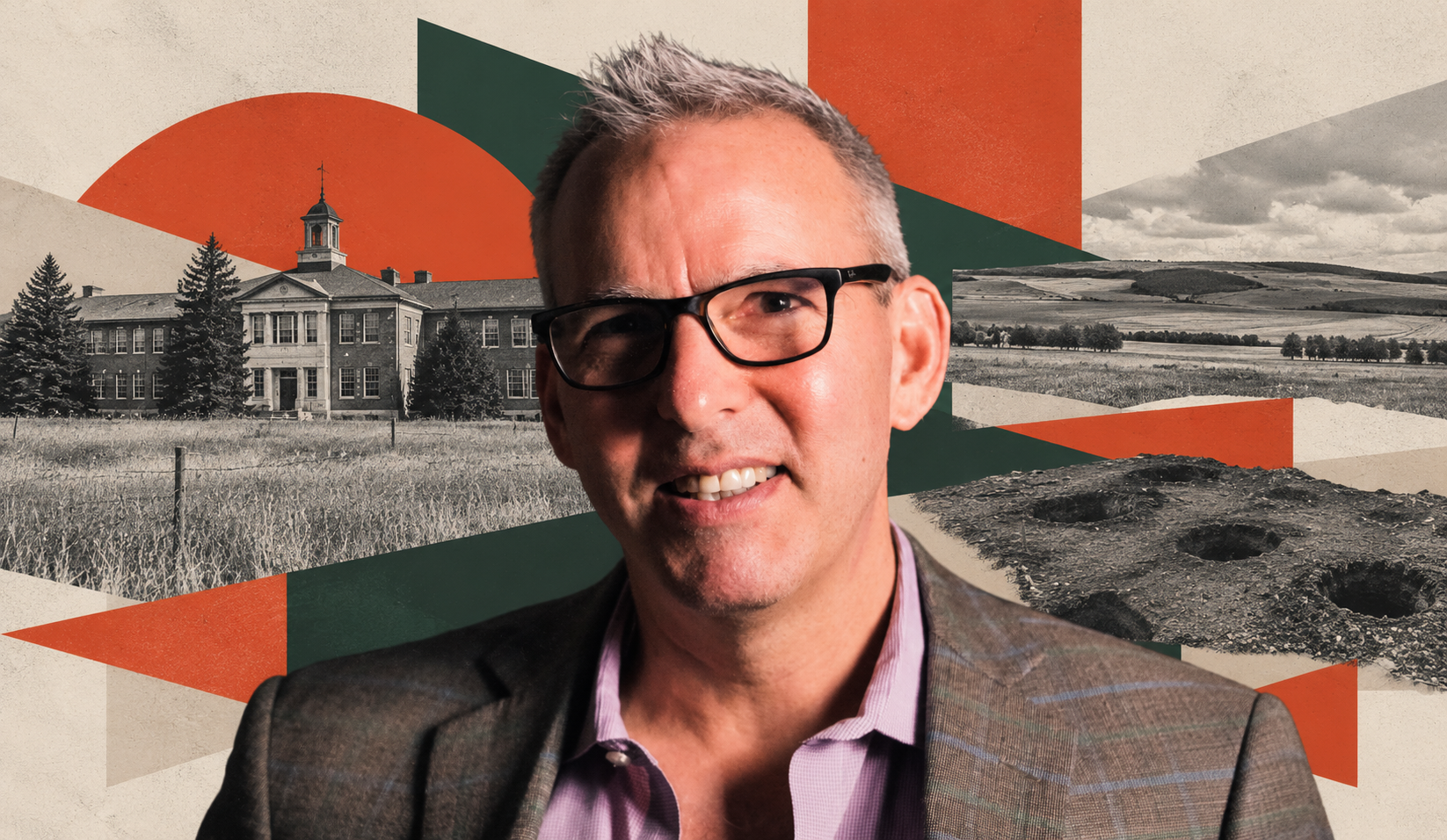

This week on the Quillette podcast, there’s no guest. It’s just me.
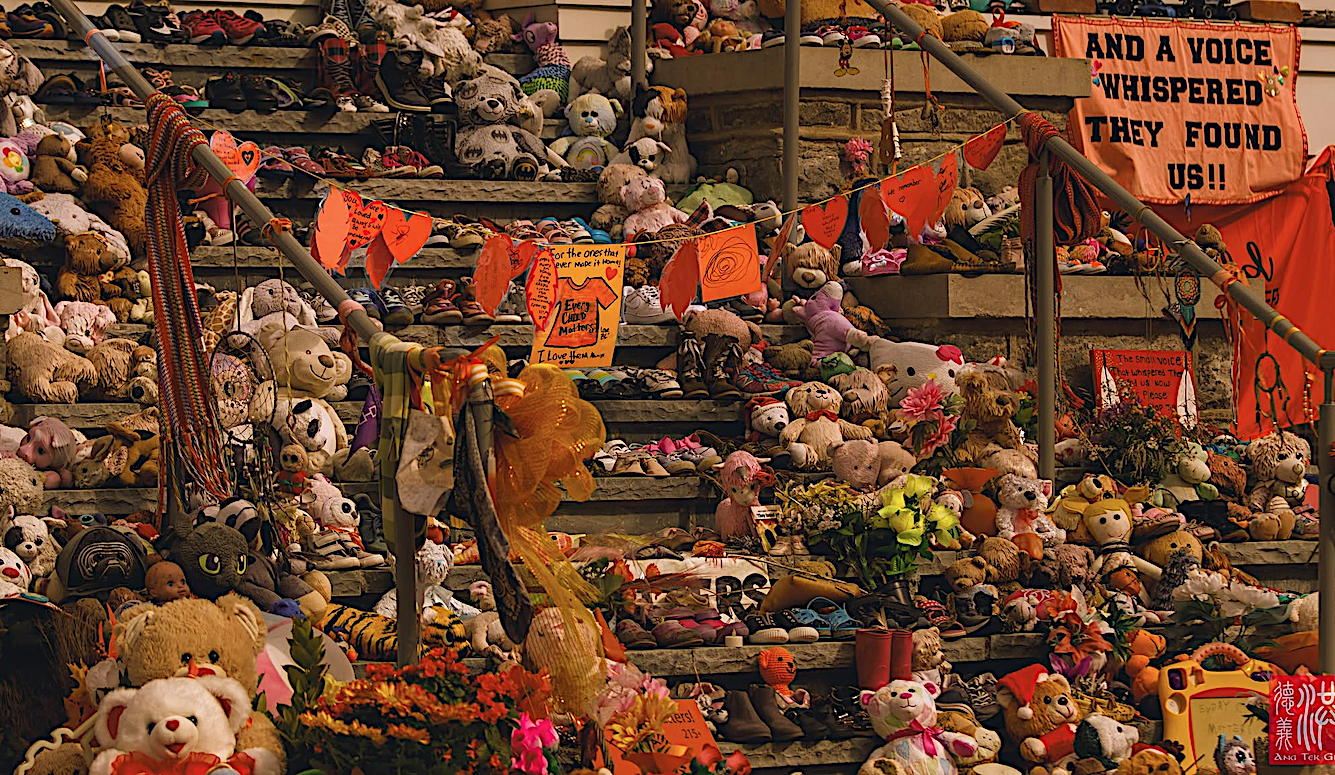
The background here is that I was recently invited to speak at two universities—one in Wyoming and the other here in Ontario—about the origins and causes of the social panic that gripped Canada in 2021 following false claims that an Indigenous group in British Columbia had found the remains of 215 dead children.
That social panic lasted for years. And even to this day, you will find Canadians who still think that the story was real. In my public remarks, I discussed some of the particular aspects of Canadian intellectual and political life that made this social panic possible.
These factors, which I outlined in a recent Quillette essay adapted from my speaking notes, included: the herd mentality of Canadian journalists, the deference that Canadian academics extend to Indigenous folklore and activism, and the political machinations of Justin Trudeau’s government, which used the unmarked-graves issue as a means to advance its own social justice bona fides.
 Jonathan Kay
The recording you’re about to hear was created for a Zoom audience—people who couldn’t attend my speeches in person. And I drafted it with foreign audiences in mind. So if you’re Canadian, I might be going over material that’s already familiar to you.
That said, on with the show.
Quillette invites thoughtful responses to its essays.
Selected responses are published once per week as part of a curated Letters to the Editor feature. If selected, letters appear under the contributor’s real name and may be edited for clarity and length.
To submit a letter for consideration, please email [email protected].
Keep reading
What the Navigators Knew
Gemma Tognini on Australia’s Political Revolt
Rubio in Athens
How France Lost Control of Its Streets