Deeply Problematic
Preventing Canada’s Next Unmarked-Graves-Style Social Panic
Journalists should resolve to treat their Indigenous sources as real-life human beings—as opposed to mystic savants who channel sacred and unfalsifiable ‘knowings’
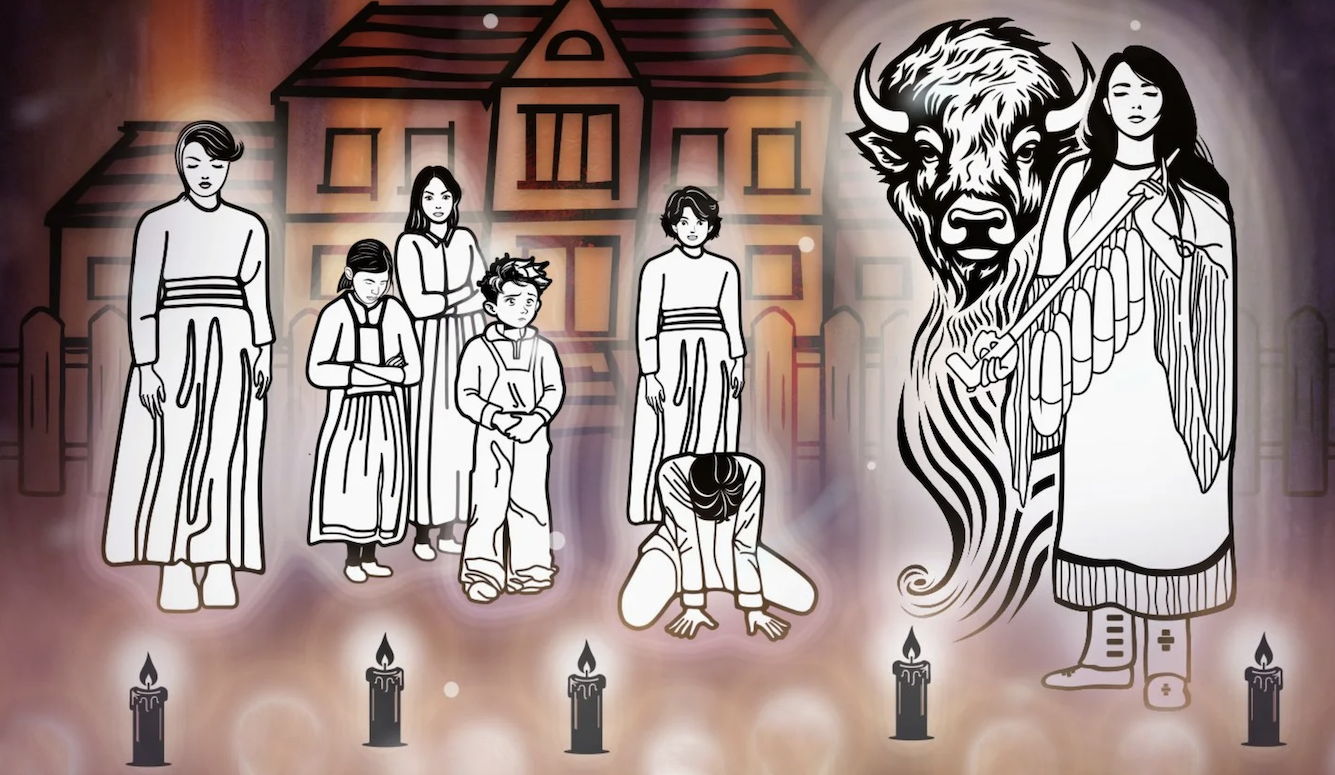

The closest thing Canada has to The New York Times is The Globe & Mail, a Toronto-based newspaper that defines—to a rough order of approximation—what respectable Canadians of a certain age are supposed to say and think. As with most legacy media outlets, its influence has faded significantly over the years. But as recent events show, it hasn’t vanished completely.
As I reported in last week’s Deeply Problematic column, May 27 marked the five-year anniversary of the announcement that 215 “unmarked graves” of Indigenous children had been located on the grounds of a former Catholic-run residential school in Kamloops, British Columbia. As is now widely known, this claim was false: No actual graves have been located, let alone corpses or human remains. Alas, no one at the Globe—or any other outlet for that matter—bothered fact-checking the original claims back in the Spring of 2021, which is why the country summarily descended into a months-long spasm of morbid self-laceration. Justin Trudeau, who’d originally presented himself to voters as a proud Canadian patriot, would spend the rest of his tenure blood-libelling his own country as a genocide state.
 Jonathan Kay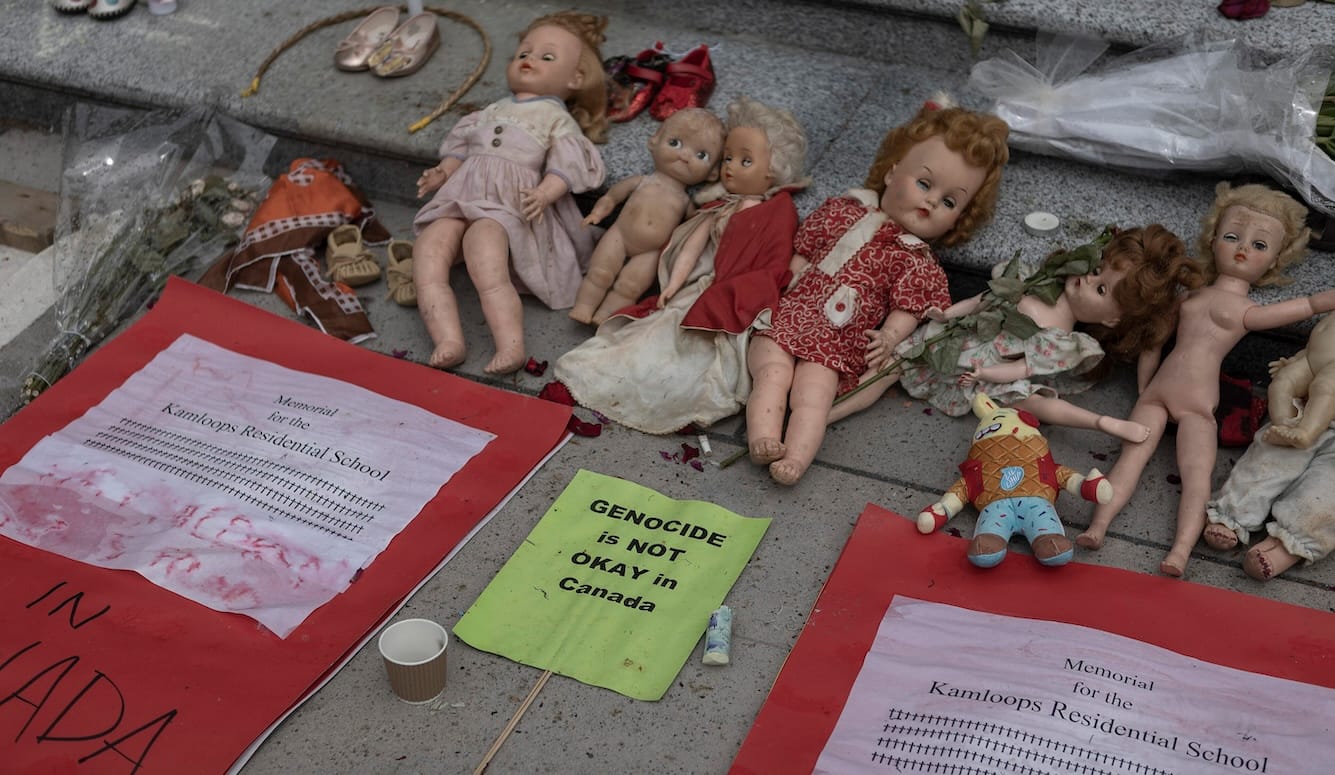
While journalists were quick to parrot the false claims, which had originated with an Indigenous band called the Kamloops First Nation, most were slow to admit their gullibility once those claims fell apart. Until last month, in fact, the only large mainstream Canadian outlet to do so in prominent fashion was the National Post. The CBC, by contrast, came clean only on the initiative of its public editor (and even then, only because he’d felt compelled to censure a particularly ignorant outburst on the subject by Rosemary Barton, one of the network’s best-known national newscasters).
It therefore ranked as an important development when, on May 22, the Globe published a lengthy news feature plainly conceding that not a single “unmarked grave” has been located in Kamloops; and that the Kamloops First Nation has been secretive and evasive when questioned about when it plans to get on with excavations. (Following years of increasingly dubious excuses for her inaction, the band leader recently said she may skip excavations completely, and instead declare the whole area to be a shovel-free “Sacred Site.”)
Keep reading
What the Navigators Knew
Gemma Tognini on Australia’s Political Revolt

Rubio in Athens
How France Lost Control of Its Streets
How to Suppress Men’s Writing