COVID-19
RFK Jr.’s mRNA Betrayal: How Political Ideology Trumped Nobel Prize-Winning Science
Every layer of institutional knowledge validated this public-health technology. Yet it’s being overruled based on a politically torqued misreading of what vaccines are supposed to do.


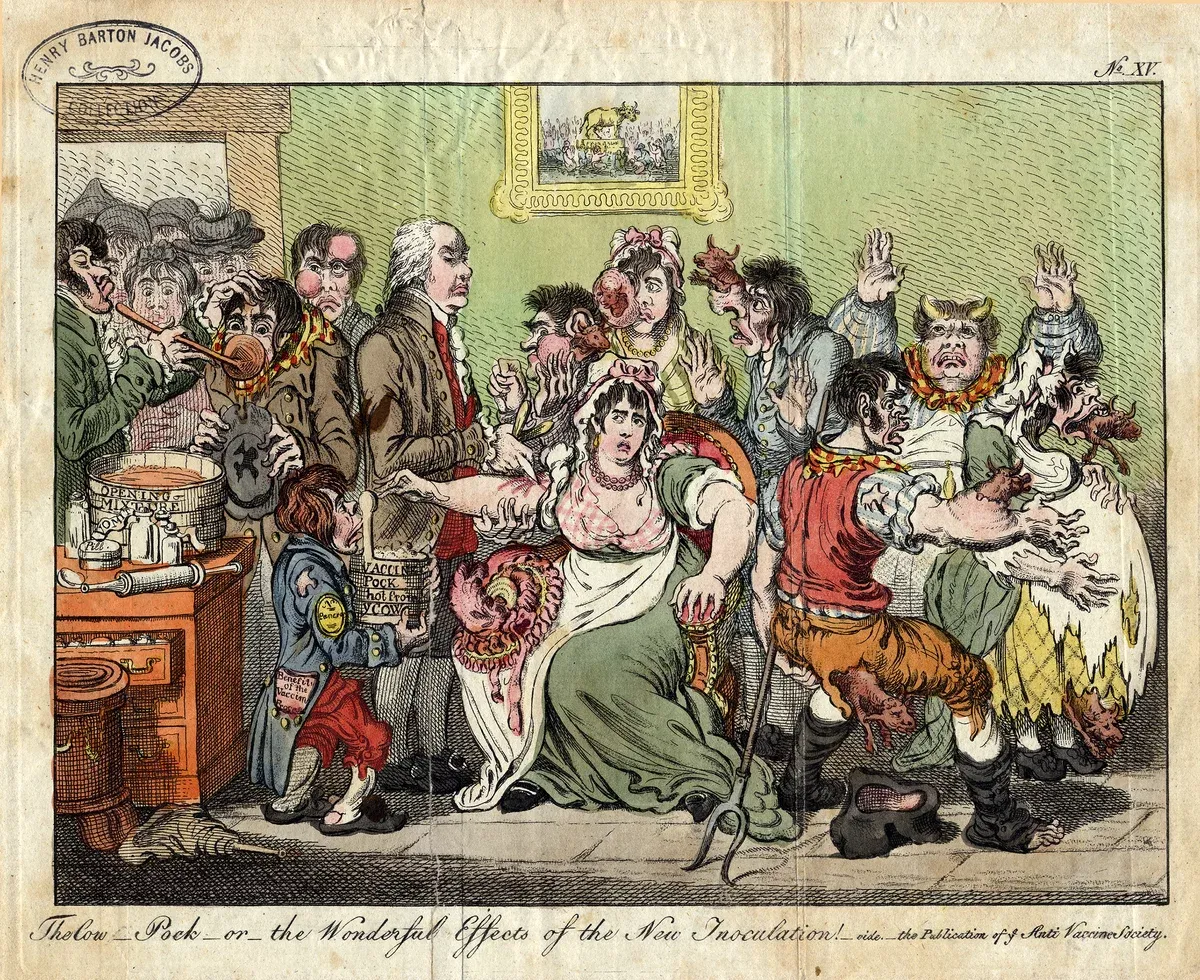
When Robert F. Kennedy Jr. shuttered the mRNA vaccine development program operated by his department’s Biomedical Advanced Research and Development Authority (BARDA) this week, he acted on a tradition of vaccine scepticism stretching back to Edward Jenner, the English scientist who developed a smallpox vaccine in 1796. Some of Jenner’s early sceptics feared that the vaccine—which had been derived from cowpox pustules—would cause patients to develop cow-like features. The US Secretary of Health and Human Services’s rationale for ending BARDA’s mRNA research, while less luridly evocative, is equally divorced from scientific reality: He contends that mRNA vaccines “fail to protect effectively against upper respiratory infections,” and on this false basis, has ordered the termination of 22 research projects worth a combined US$500 million.
His decision represents something more troubling than mere scientific illiteracy. It reflects a broader failure of understanding in regard to how we evaluate medical interventions and what constitutes success in public health.
Every medical intervention exists on a spectrum of efficacy. Statins reduce heart attack risk by about thirty percent, not 100 percent. Cancer chemotherapy might shrink tumours in forty percent of patients, not all. We haven’t abandoned these treatments because they’re imperfect; we use them because the benefits outweigh the limitations. Yet somehow, vaccines have been held to an impossible standard of perfection.
This disconnect stems partly from how we’ve historically discussed vaccines. The near-complete elimination of diseases such as polio and measles through vaccines created an expectation that all vaccines would provide total immunity, blocking infection entirely, not just preventing illness. But this has never been true for respiratory viruses, which replicate in the upper airways, where antibody concentrations are lower and less persistent than in the bloodstream.
Consider influenza vaccines, which have been widely used since the 1940s. In a good year, they prevent perhaps sixty percent of infections. In a bad year, when predictions about circulating strains prove wrong, effectiveness can drop to twenty percent. Yet we still recommend them universally because even imperfect protection translates to thousands of prevented deaths annually.
Keep reading
France’s Imaginary Austerity


A Clockwork Filmmaker


The Insight Trap

Cornell and Consent