Publishing
How to Suppress Men’s Writing
More than 70 percent of Big Five publishing staff are women, most of them from elite universities.
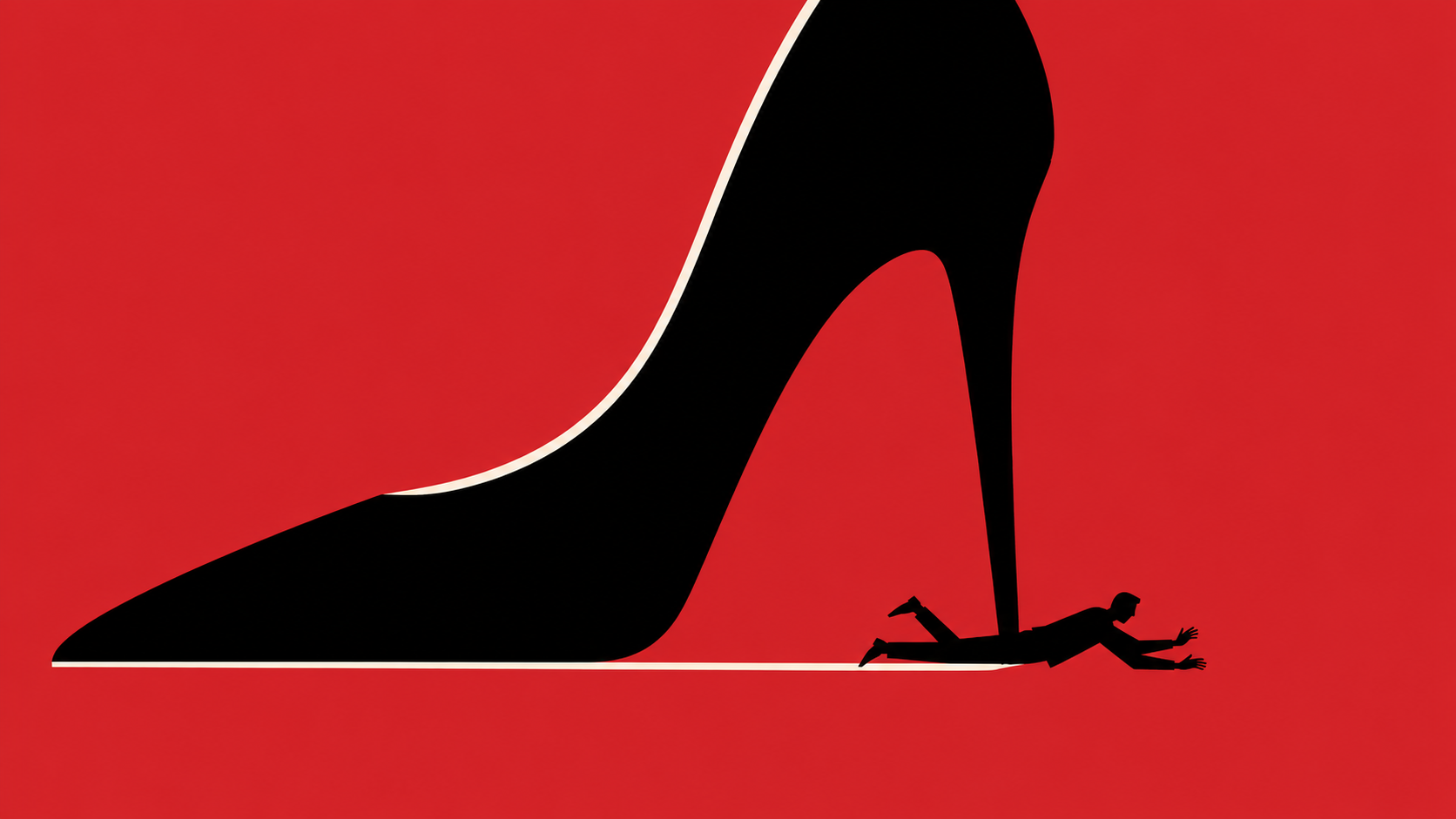

“They want to read Sex and the City.”
That’s what a friend, a famous New York City literary agent, told me a few weeks ago when we were on the phone talking about editors at the five biggest publishing houses in the world: Simon & Schuster, HarperCollins, Penguin Random House, Hachette, and Macmillan. These are the editors who determine what books end up at Barnes & Noble and what books remain unpublished PDFs.
Right now, it looks like a masculine novel he represents will never see the light of day. It’s a novel that is praised by a National Book Award winner, a famous war veteran, and other giants. It’s a novel that would have sold for hundreds of thousands of dollars in a competitive bidding war in the 1990s. But a lot has changed since then.
Today, the Big Five publishers are staffed almost entirely by women. According to the most recent data, more than 70 percent of staffers are women. More than 70 percent of editors are women. Even 70 percent of all interns are women. At the executive level, more than 60 percent of leaders are women. In 2026, American publishing looks like lululemon.
The single biggest transformation in the history of American publishing has been its utter takeover by women. How did we get here?
Keep reading
How to Suppress Men’s Writing
Back to the Dark Ages
Prison or Peer Review

France’s Imaginary Austerity

The Limits of Perfectionism