Health
Why Some Humans Developed a Taste for Milk and Some Didn't
The ability to digest dairy products as adults is likely to be adaptive owing to its increased nutritional benefits (sugars, as well as fat, protein and calcium) and milk’s role as an important drinking source in arid regions.

Imagine a dinner party somewhere in Italy to which, as it turns out, my dad has been invited. On the menu tonight is a sliced tomato, basil and mozzarella salad, pasta with a creamy mushroom sauce topped with parmesan cheese, and Italian gelato ice cream to finish. However, except for the sliced tomatoes and basil, my dad cannot eat anything on offer and is destined to leave the party hungry. My dad is, as I am, ethnically Chinese – and, like the majority of Chinese folk, lactose intolerant.
Although the inability to drink and eat dairy products (or more specifically the inability to digest lactose, the type of sugar found in milk) is commonly called “lactose intolerance”, this is actually a misnomer. All humans are lactose tolerant in early life because we are mammals. Most humans only switch to being lactose intolerant in the transition to adulthood.
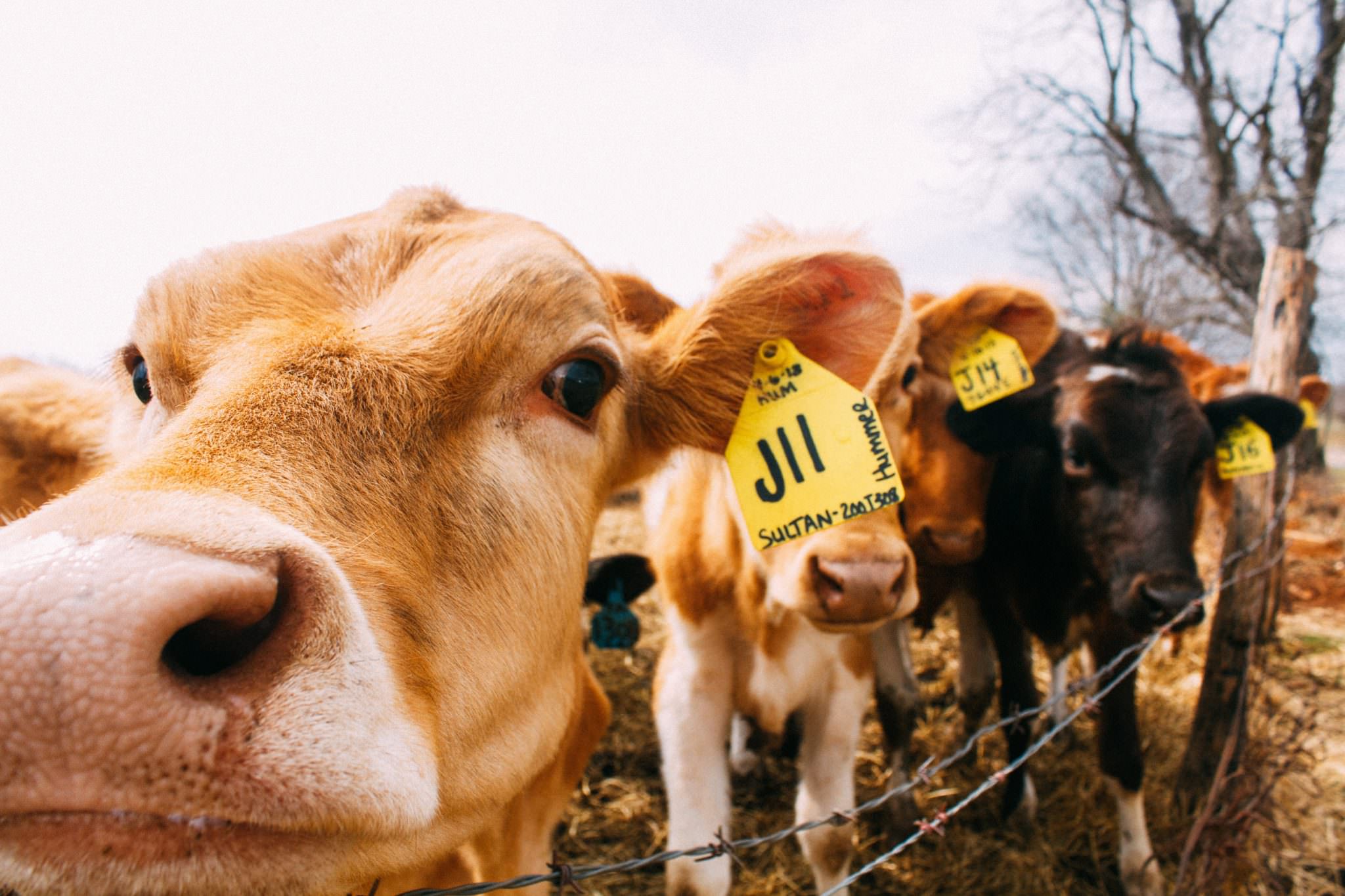
But if so many adults struggle to digest dairy, why did we start drinking the milk of other animals in the first place? Well, with the domestication of large mammals, in particular cows, sheep and goats, people began to realise that animals could provide nutrition from more than just their meat. In fact, drinking its milk greatly increases the amount of calories available from an animal during its life-span. Couple this with the subsequent development of cheese making, which allowed for the nutrients available from milk to be preserved in compact and portable form and, voila, a new rich and renewable source of food was available to nascent herding communities.
The ability to digest dairy products as adults is likely to be adaptive owing to its increased nutritional benefits (sugars, as well as fat, protein and calcium) and milk’s role as an important drinking source in arid regions. Considering the symptoms of lactose intolerance, which include water loss from diarrhoea, individuals who had acquired the genetic adaptation of “lactase persistence” and could therefore metabolise dairy products, would have had a very strong selective advantage in areas where herding of cattle, sheep and goats occurred.
 Derek Hopper
Herd mentality
So powerful was the selection pressure in herding societies to be able to consume milk and its related products, that the trait of lactase persistence actually emerged independently at least three times; in northern Europeans, emanating from what is now Denmark, and in two geographically distinct African populations.

The incredible thing is that although the adaptation in the three cases involved different genetic changes, they all influence the same gene, lactose dehydrogenase, required for metabolising lactose into glucose.
Chicken, pigs and tofu
A key question is how have most other peoples around the world, such as Chinese folk like my dad, continued to thrive without this ability to digest lactose as adults? Certainly the climate in much of East Asia would not have precluded the herding of cattle.
In lieu of viable milking herds, alternative sources of easily renewable protein were identified. For instance, chickens were first domesticated in China. Chickens provided a key protein source, not only from their meat – but also from their eggs, which are, like milk and cheese, a rich, portable and renewable food source. Chickens are also far smaller and have a shorter lifespan compared to large mammalian species, making production less complicated.
Crucially, one of the key crops domesticated by the Chinese – in addition to rice, of course – was the soya bean, which also has a very high protein content. Soya beans are a versatile crop and are the source ingredient for tofu and also soya milk. In much of East Asia today, chickens and pigs (also first domesticated by the Chinese) form the bulk of the meat consumed – and this is supplemented by a large number of soya-related products, including tofu, soya milk, fermented soya beans, and a dizzying array of different soy sauces.

Keep reading

Jerry Kaplan on AI Doomers


Payback Time for Steven Galloway

War Stories

Life in The Grim Old Days